Brand matters less than the spec sheet, and more than nothing. What a real brand buys you is boring and valuable: consistent manufacturing, a warranty that exists, spare grips, stock that does not vanish, and a resale market when you upgrade. What it does not buy you is a better paddle at the same price — a $60 paddle from a big name is still a $60 paddle.
Below is one paddle per brand, chosen because it is the model from that brand we would actually recommend rather than the one they most want to sell. Every price is live and date-stamped.
What separates a brand worth buying
Three questions, in order:
- Is the range deep enough to grow with? A brand with one $50 paddle cannot sell you the upgrade. A brand with paddles at $50, $100 and $200 lets you stay on a familiar handle shape and grip as your game changes.
- Is the paddle approved? USA Pickleball approval is table stakes for organised play and most reputable brands carry it across the range. It is not a quality mark — our approval guide explains what it does and does not certify.
- Can you get support after the sale? Warranty terms, replacement grips and a phone number are the difference between a brand and a listing.
03The buyer's guide
The brands, one at a time
JOOLA — the best all-round range for a beginner
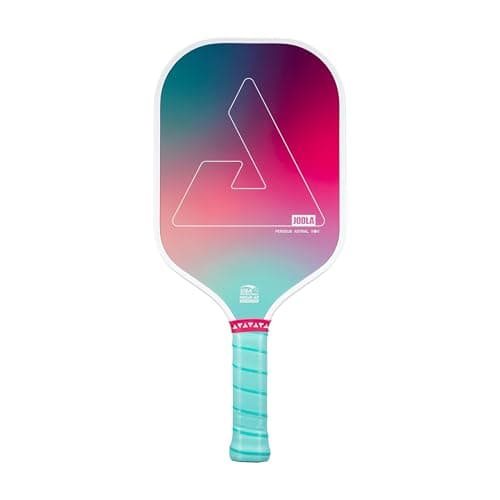
JOOLA came to pickleball from table tennis, which shows in the handle shapes and the control tuning. What makes it the default recommendation on this site is range: the Astral Perseus is our day-one pick, the GRAF Edge is the cheapest real 16mm carbon paddle we know of, the Scorpeus Heat Vision is the safe upgrade, and the Hyperion sits above those. You can spend three years inside one brand without ever buying the wrong shape.
Where it is overrated: the pro-signature paddles. A name on the face does not change the spec sheet, and the signature models carry a premium a beginner cannot use.
Selkirk — the best build quality, at a price
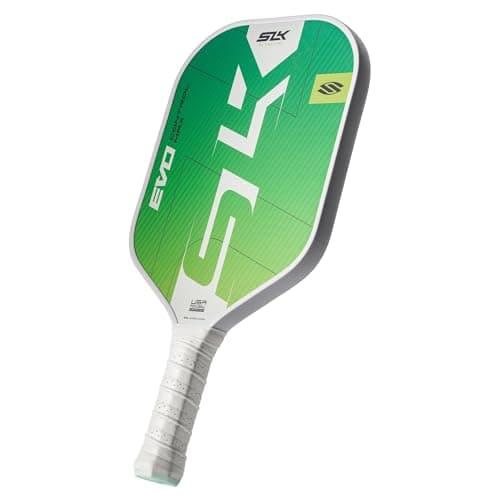
Selkirk is US-made, premium, and the warranty and resale value are the best in the category. The SLK Evo Control is the paddle of theirs we recommend most, because it delivers the brand's build quality in a control tuning at a price that does not assume you are already good. The SLK sub-line is where Selkirk becomes affordable.
Where it is overrated: the flagship line. The SLK ERA Power is the most expensive paddle we recommend anywhere and it is a want, not a need, for a new player.
Franklin Sports — the ball company that also makes paddles
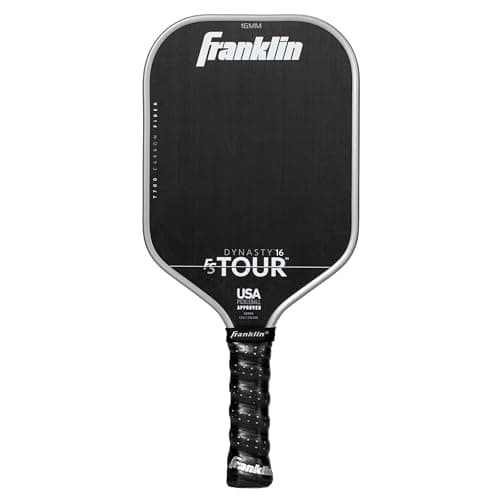
Franklin makes the official ball of USA Pickleball, which is genuine pedigree, and the FS Tour Dynasty Pro is a legitimate 16mm carbon paddle at the top of the sensible price range. Franklin's real strength on this site is at the two ends: the X-40 outdoor ball and the entry-level paddles and sets.
Where it is overrated: resale and community. Franklin's paddle line is less discussed than its balls, so a used Franklin paddle sells for less than a used JOOLA or Selkirk.
Onix — the shape that taught a generation
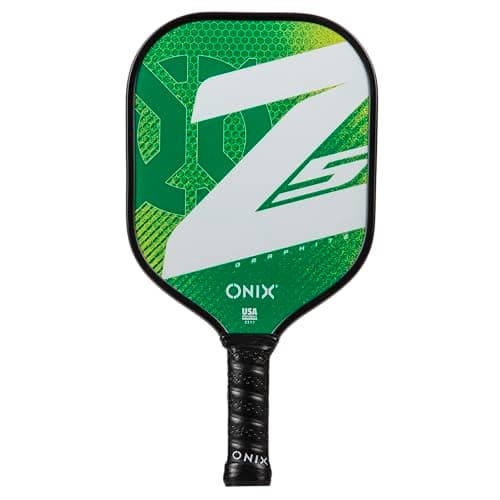
The Z5 widebody is one of the most-owned paddle shapes in the sport, and the Graphite MOD Z5 is the modern version. If forgiveness is what you need — and for a first year it usually is — the widebody face is the single most helpful shape you can hold. Our full Z5 review goes through what the shape costs you in reach.
Where it is overrated: as a paddle to grow into. The wide body trades length for width, and players who develop a drive usually want the length back.
HEAD — the racquet-sport crossover
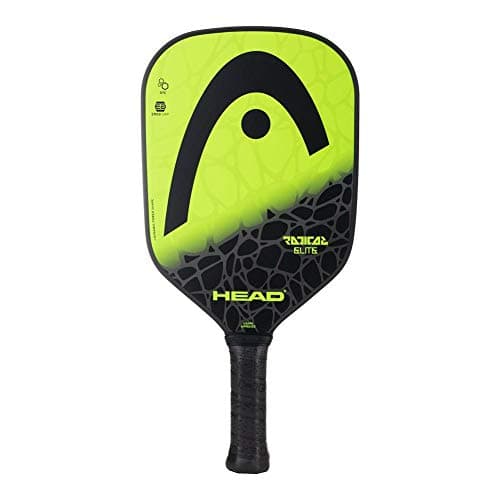
HEAD has made tennis racquets for decades and its pickleball paddles feel like it: balanced swing weight, slightly longer bodies, familiar in a tennis hand. The Radical Elite is our pick for anyone arriving from tennis, and our tennis-convert roundup has the rest.
Where it is overrated: spin. HEAD's pickleball line leans fiberglass and composite, which is forgiving rather than grippy.
Vatic Pro — the direct-to-consumer value play
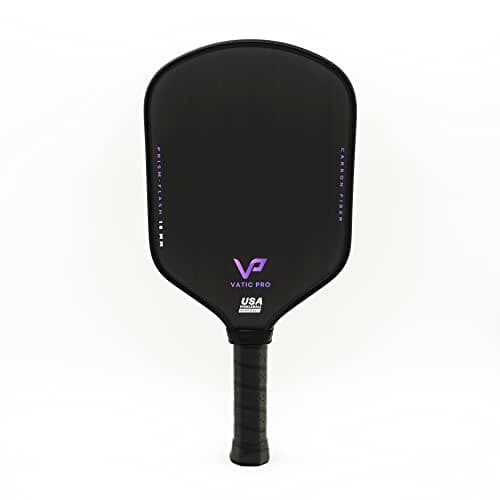
Vatic Pro is the best example of the newer, internet-first brands: the Prism Flash gives you thermoformed raw-carbon construction at roughly half what the established brands charge for the same technology. Our thermoforming guide explains what that construction actually does.
Where it is overrated: availability and support. It sells out, and a smaller brand means a thinner warranty path. That is the trade you are making for the price.
The brands we are careful with
We do recommend budget-brand paddles — niupipo, GoSports, TENVINA and Gamma all appear on our lists — but on a narrower basis. They are good at one job each (cheapest approved paddle, lightest paddle, cheapest textured carbon) and we say which job. What we avoid entirely is the unbranded, un-approved paddle sold only through a marketplace listing: no warranty, no consistency between production runs, and nothing to appeal to when the edge guard peels in month two.
Does brand matter at all for a first paddle?
Less than the four specs in our how to choose a paddle guide. Get weight, grip size, core thickness and shape right and almost any established brand will serve you. Brand becomes the tiebreaker when two paddles have the same spec sheet — and it becomes genuinely important the day you want a warranty claim, a replacement grip, or the same paddle again in two years.