There is no single best pickleball shoe brand, and any page that tells you otherwise is guessing. What there is: a short list of brands that build court shoes properly, a shorter list that markets specifically to pickleball, and a set of predictable differences in fit between them. Knowing which brand tends to run narrow saves you far more grief than a ranking would.
The useful frame is that pickleball is a young sport wearing borrowed shoes. Tennis and indoor volleyball have demanded the same movements — hard lateral pushes, quick stops, constant small adjustments — for decades, and the shoes built for them work. What the pickleball-specific models add is usually fit tuning and a toe drag guard, not a new category of footwear.
The fit differences are the practical payoff of knowing the landscape: New Balance is the one brand here that publishes width options, which is why it leads our wide-feet list. We ask the same question about paddles in which brands make the best pickleball paddles, where the answer turns out to be about range and warranty rather than fit.
03The buyer's guide
The brand landscape
| Brand | Comes from | Tends to suit |
|---|
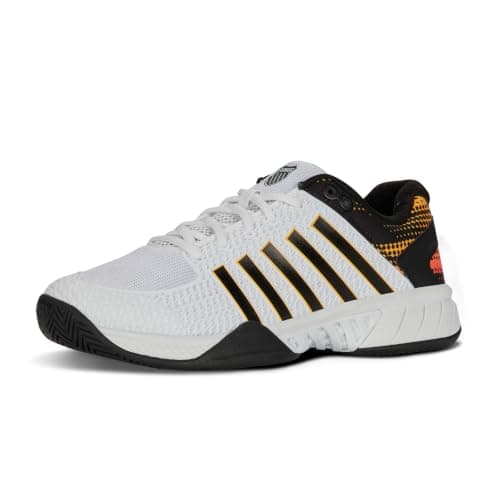
| K-Swiss | Decades of tennis court shoes; genuine pickleball-specific models | Players who want real lateral support and a durable toe drag guard |
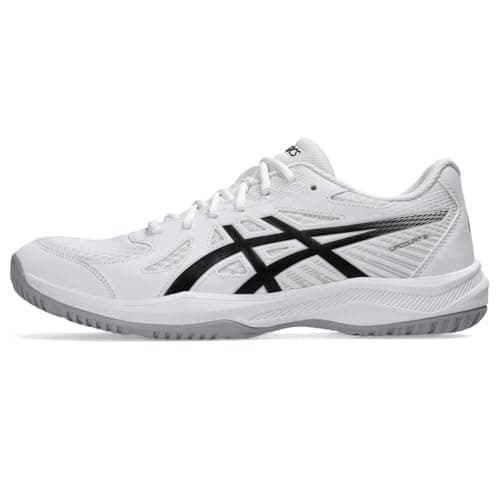
| ASICS | Indoor volleyball and tennis | Indoor gym play; snug, low, well-proven lasts at low prices |
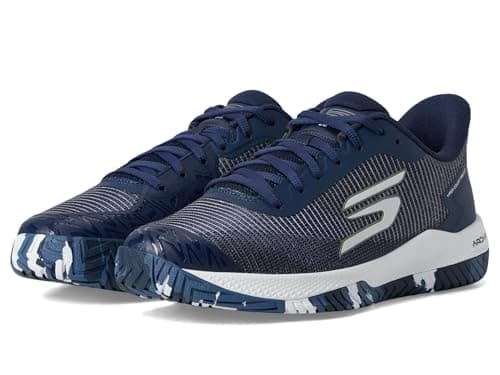
| Skechers | Comfort footwear, now with a dedicated pickleball line | Comfort-first players and anyone who hates break-in |
| Babolat | Tennis performance | Fast, aggressive movers who want lockdown over plushness |
| Fila | Tennis heritage; women's-specific pickleball models | Value buyers, and women wanting a women's last rather than unisex sizing |
| New Balance | Running and court, with published widths | Wide or narrow feet that other brands do not accommodate |
Purpose-built vs borrowed: does it matter?
Slightly, and less than the marketing implies. A pickleball-specific shoe usually differs from a tennis shoe in three small ways: a reinforced toe drag guard for the sliding front foot at the kitchen line, a slightly more forgiving fit, and outsole tread tuned for the shorter, more frequent direction changes of a small court. Those are real refinements. They are not a reason to reject a good tennis or volleyball shoe you already own.
The one place the distinction earns its keep is durability at the toe. Pickleball players drag the front foot more than tennis players do, and an unreinforced mesh toe wears through fast. If you see a hole appearing over your big toe, that is the shoe telling you it was not built for this. Our shoe lifespan guide covers the wear patterns.
Fit reputations, brand by brand
Brands have house lasts, and those lasts are consistent enough to be genuinely useful shopping information:
- ASICS court models run snug and low. Excellent if you have a narrow foot, frustrating if you do not. Their volleyball-derived shapes are the narrowest of the group.
- Skechers runs roomy. That is the brand promise and it holds on the court line. Wide feet do well here; narrow feet sometimes need to size down.
- K-Swiss sits in the middle, with real structure. Court shoes generally run narrow for lockdown, and K-Swiss is no exception, but the support cage is genuine rather than decorative.
- Babolat is a performance fit. Snug through the midfoot by design. Great lockdown, unforgiving of high-volume feet.
- New Balance publishes widths. Rare in court shoes and the reason to look there if width is your actual problem.
What about brands you have not heard of?
Marketplace listings are full of unbranded court shoes at attractive prices. They are not automatically bad, but two things are worth knowing. First, the outsole compound is where cost gets cut invisibly — a soft compound grips well for a month and then glazes over. Second, there is no support path if the shoe fails at eight weeks. For a shoe you will push sideways on hundreds of times a session, a known brand is cheap insurance.
Where price actually lands
The useful tiers are roughly: budget indoor court shoes from established brands, mid-tier all-court shoes, and pickleball-specific flagships. The jump from a generic sneaker to a real court shoe is enormous. The jump from a mid-tier court shoe to a flagship is much smaller and mostly buys durability and fit refinement. Our best pickleball shoes under $100 list is the honest middle of that range.
The picks below
Three shoes, one per brand, chosen to illustrate the differences rather than to rank the brands: K-Swiss for genuine pickleball-specific support, ASICS for indoor value on a gym floor, and Skechers for comfort-first. All three are covered in more depth on the best pickleball shoes roundup.
One brand deliberately not in the three below is Selkirk, which comes at court shoes from inside pickleball rather than across from tennis — and is the only maker here that puts a published warranty on its outsole. We cover that shoe on its own in the Selkirk CourtStrike Pro 3.0 review.
Two of these brands now have a page of their own. K-Swiss puts more product behind pickleball than anyone else and is the only one here publishing real width fittings — K-Swiss pickleball shoes, ranked sorts its three buyable models and the naming trap between them. And if this is your first court shoe of any brand, the cheapest models that still publish a named support component are in best pickleball shoes for beginners.