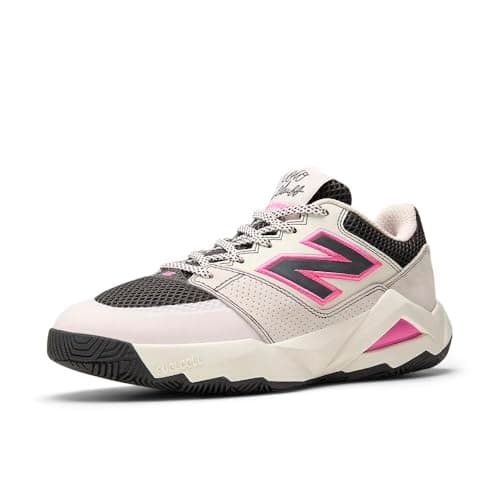
Most people searching for comfortable pickleball shoes have already made one specific mistake: they wore running shoes to a court, their ankles complained, and now they want a court shoe that does not feel like a plank. That is a solvable problem, and the answer is not simply "more foam."
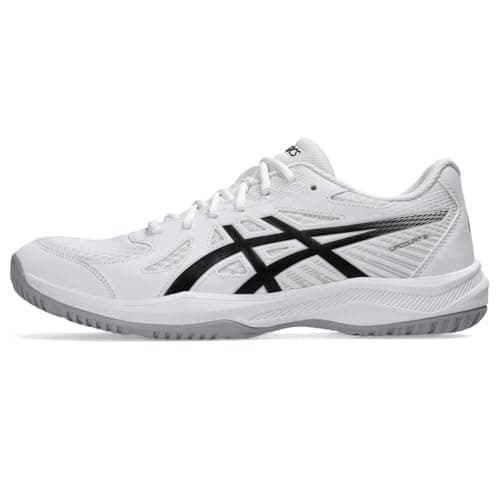
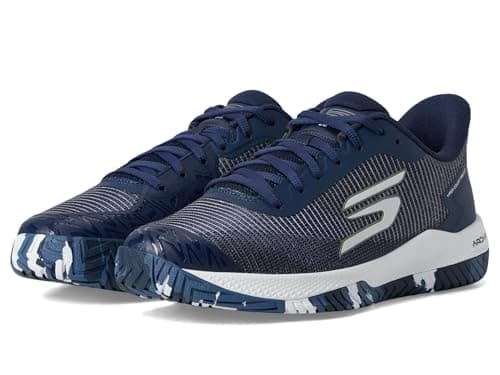
Court shoes are built lower and firmer than running shoes on purpose, because a soft, tall midsole rolls under a hard sideways push. So comfort in a court shoe comes from a narrower set of levers: how much cushioning sits under the forefoot where you land, how wide the last is, and whether the upper needs breaking in. Start with the Skechers Viper Court Pro 2.0 if you want the softest out-of-the-box feel; jump to the ASICS Gel-Rocket 11 if you play indoors and want forefoot cushioning without the price.
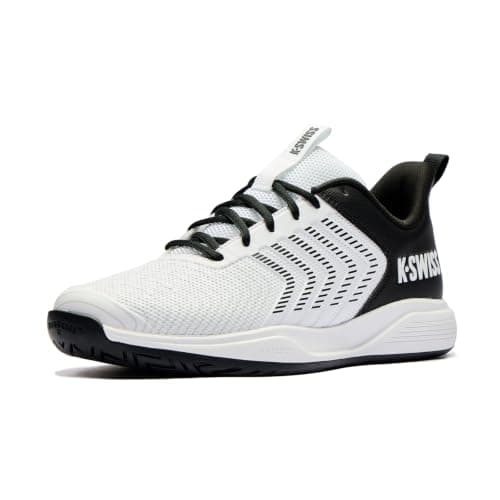
One caveat on the third lever. If width is your actual problem rather than cushioning, this list will mislead you — it weighs all three levers together, so the plushest shoe wins even when a roomier one would fit you better. Our wide-feet list ranks on fit alone. And the K-Swiss Ultrashot Light at number four is the narrowest shoe here despite its comfort score — its full review is blunt about that.
03The buyer's guide
What comfort in a court shoe actually means
| Lever | What it fixes | What it costs you |
|---|
| Forefoot cushioning | The sting of a hard gym floor over two or three hours | A little court feel and precision |
| Last width | Pinching across the forefoot; hot spots on the little toe | Lockdown in a hard lateral cut |
| Upper softness | Break-in blisters and pressure over the instep | Long-term structure as the upper packs out |
| Stack height | Impact on knees over long sessions | Stability — tall stacks roll more easily |
Why the softest shoe is not always the most comfortable
It is tempting to buy the plushest thing on the shelf, and for a once-a-month player that is fine. But comfort over a full session is partly about not getting hurt, and a shoe that lets your ankle roll on a sideways push is not comfortable at minute ninety. The court shoes that feel best over time pair real cushioning with a stable base — which is why the picks above are court shoes with comfort tuning rather than running shoes with a court sticker on the box.
If you are still deciding whether you need court shoes at all, start with do you need pickleball shoes. The short version: if you play more than occasionally, yes.
Width is the comfort lever nobody talks about
Court lasts run narrow. That is deliberate — a snug midfoot is what stops your foot sliding inside the shoe when you push off sideways — but it is also the single most common source of "this shoe hurts." If your feet are wide, a narrow performance shoe will never become comfortable no matter how much foam is under it.
Two practical moves. First, look for models that publish widths; New Balance is unusual in offering them across court models. Second, when a shoe only comes in one width, size up a half and lace the top eyelet loosely rather than buying a longer shoe and sliding around in it. Our how to choose pickleball shoes guide covers fit checking in more detail.
Indoor or outdoor changes the answer
A gym floor is unforgiving and flat, so indoors the cushioning matters more and the outsole compound matters less — gum rubber grips beautifully and lasts fine on clean wood. Outdoors, the abrasive surface eats soft outsoles, so the durable compound comes first and cushioning second. If you play in both places, buy for the surface you use most and accept the compromise. See best indoor court shoes and best outdoor court shoes for the surface-specific lists.
Socks do more than you think
A cushioned court shoe with a thin cotton sock is often less comfortable than a firm shoe with a proper cushioned athletic sock. Cotton holds sweat, and wet cotton is what turns friction into a blister. If you have already bought good shoes and they still hurt, change the sock before you change the shoe — it is the cheapest experiment available.
When comfort means "my knees hurt"
Cushioning helps, but it is not the whole answer. Warming up properly does more for joint comfort in the first twenty minutes than any midsole, and it costs nothing — see how to warm up for pickleball. If the discomfort is in your elbow rather than your legs, the paddle is more likely the culprit than the shoe; our elbow support picks and core thickness guide both address it.
How long comfort lasts
Midsole foam compresses. A shoe that felt plush in month one can be noticeably flatter by month eight even with tread left on the outsole, and that flattening is usually what people mean when they say a shoe "stopped being comfortable." We cover the timeline and the signs in how long pickleball shoes last.