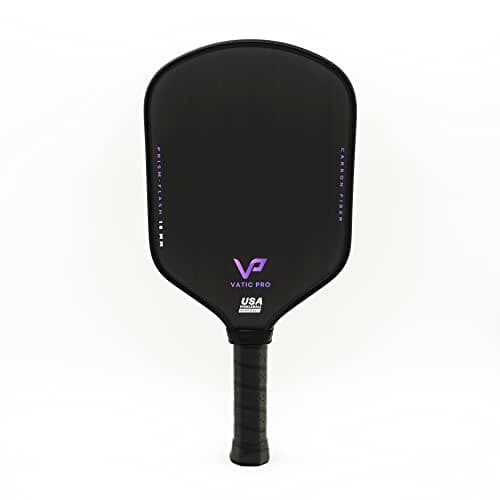
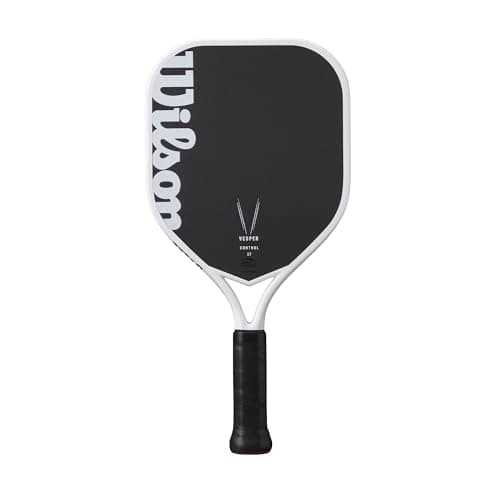
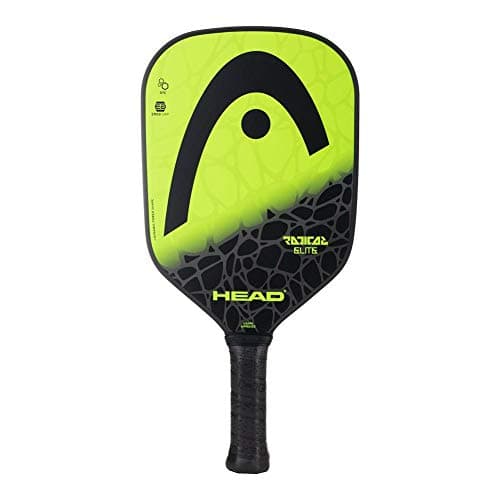
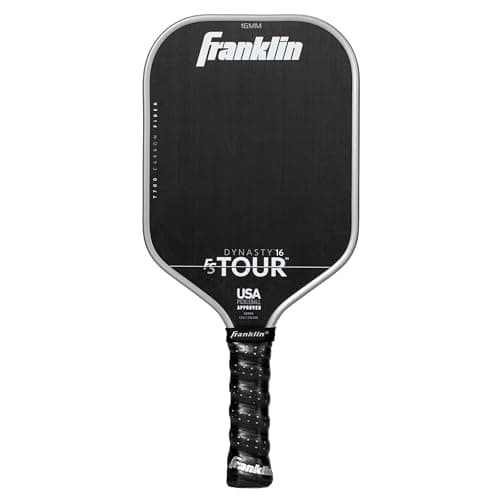
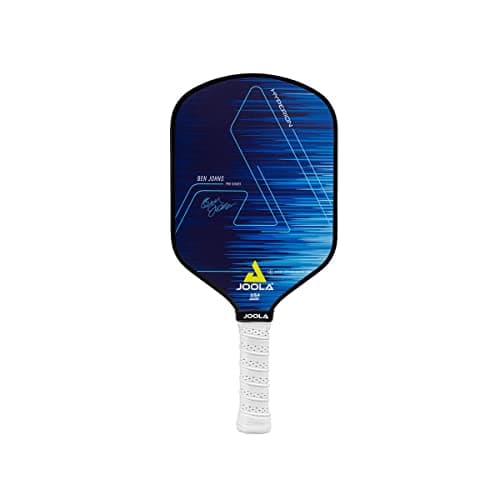
If you play tennis, you can skip our beginner list. You already own the two things it is built to compensate for: hand-eye coordination and a repeatable swing. What you need instead is a paddle that rewards a real stroke — which means elongated, carbon-faced and built for a full swing. Our pick is the JOOLA Ben Johns Hyperion CAS 16.
The honest warning first, because every tennis player gets this wrong: your tennis background will make you worse than a total beginner for the first few weeks, in one specific way. Tennis rewards pace and depth. Pickleball, above about the 3.0 level, rewards patience and soft hands at the kitchen line. The tennis player who drives every third shot loses to the retiree who dinks — repeatedly, and for months, until they learn the drop. Buy the paddle that suits your swing; then go and learn the shot your swing is working against.
03The buyer's guide
Why elongated suits a tennis swing
An elongated paddle (sometimes badged XL) is longer and narrower than a standard widebody. The extra length does two things a tennis player will recognize immediately: it adds reach, and it moves mass further from your hand, which increases leverage on a driving swing. If you already swing from the shoulder with a full follow-through, that leverage translates directly into pace.
The cost is face width. A narrower paddle has a smaller sweet spot, so off-center contact is punished more. For a beginner that is disqualifying; for a tennis player with clean contact it is an acceptable trade. Our elongated vs widebody guide covers the geometry in full.
Why carbon, specifically
Tennis players already brush up the back of the ball — it is how a topspin forehand works. A textured carbon face grips the ball and converts that brush into rotation, which is the single fastest way to make your drives dip inside the baseline instead of flying long. A smooth fiberglass face will not reward the stroke you already have. See the carbon fiber roundup for the material in detail.
Weight: heavier than a beginner, lighter than you think
Most tennis players instinctively reach for the heaviest paddle available, because a heavier racquet is usually a better racquet. Resist that. A pickleball paddle is swung far more often per hour than a tennis racquet and almost entirely with the forearm and wrist at the net. Mid-weight, around 7.9 to 8.3 ounces, is the range most converts settle into. Going heavier is the most common cause of pickleball elbow in the first season. Our weight guide has the full picture.
The four habits you will need to unlearn
1. The big backswing
The kitchen line is seven feet from the net and the ball is slower than a tennis ball but arrives sooner. There is no time for a takeback. Almost all pickleball contact is made with a compact, in-front punch. Your tennis takeback will produce late contact and pop-ups.
2. Driving every ball
The third-shot drop — a soft arcing ball that lands in the opponents' kitchen — is the single most important shot in the game, and it is the opposite of a tennis approach shot. Drives get counter-attacked at the net. Learning the drop is the difference between 3.0 and 3.5.
3. The continental grip everywhere
Most pickleball is played with a continental grip, closer to your volley grip than your forehand grip. Switching grips mid-rally, as you would in tennis, is too slow at this distance. Our grip guide covers this.
4. Standing at the baseline
Pickleball is won at the kitchen line, not from the back. Tennis instincts pull you back; the game pulls you forward. Get to the line and stay there.
What else to buy
Your tennis shoes are the right category but not necessarily the right shoe — a tennis court shoe works well outdoors, and a gum-soled indoor court shoe is better on a gym floor. See pickleball vs tennis shoes. And if you are curious how the two games actually compare on court size, scoring and net height, pickleball vs tennis lays it out.