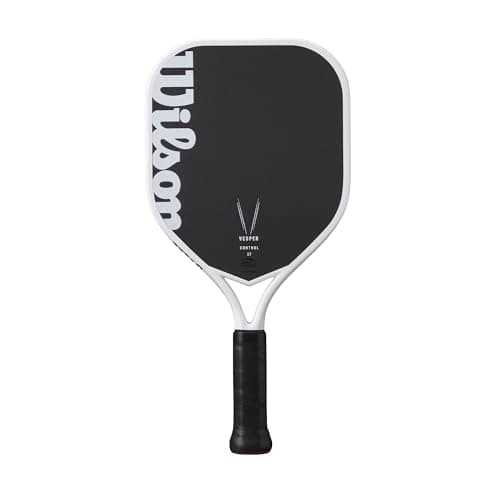
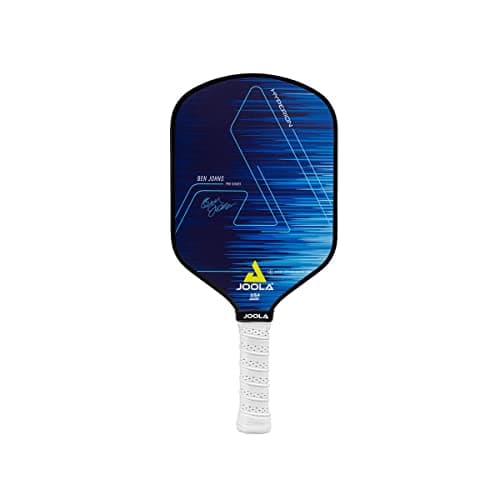
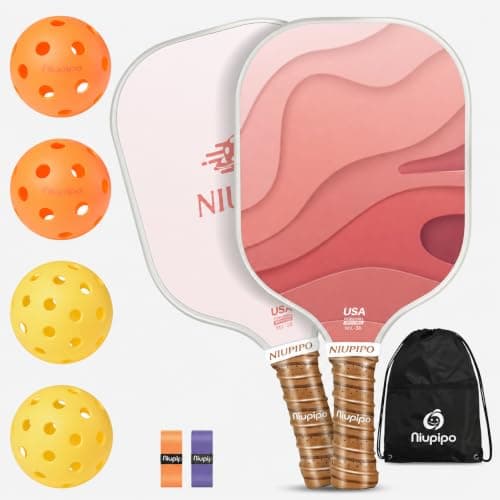
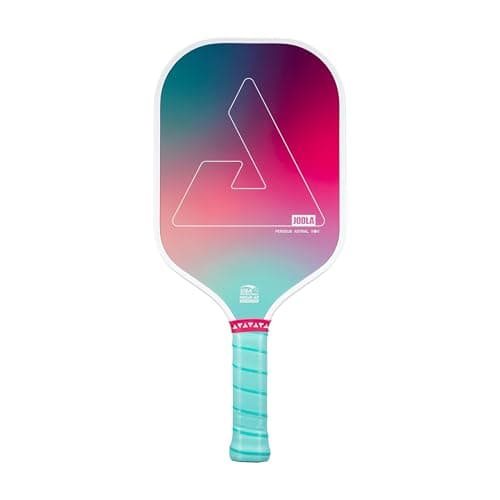
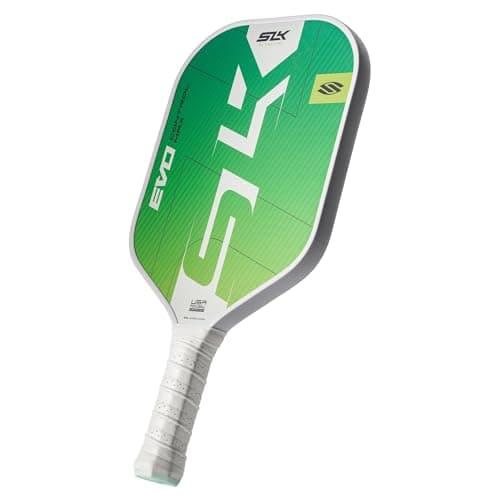
First, the part that matters more than any product: nothing here is medical advice and we are not clinicians. If your elbow hurts for weeks, gets worse, or stops you doing ordinary things like carrying a bag or turning a key, that is a question for a healthcare professional, not a shopping decision. What a paddle can do is change how much load reaches the joint on each of the several hundred swings in a session. That is worth getting right, and it is all this page claims.
What tennis elbow actually is, in one paragraph
The American Academy of Orthopaedic Surgeons describes lateral epicondylitis as degeneration and microtearing in the forearm extensor tendons where they attach on the outside of the elbow — most often the extensor carpi radialis brevis. It comes from repetition: the same motion, over and over, until the tendon cannot keep up with the repair. AAOS lists "improper stroke technique and improper equipment" as risk factors in racquet sports, and specifically suggests having equipment checked for proper fit.
The catch with the standard equipment advice
That advice was written for tennis. AAOS suggests stiffer, more loosely strung racquets and a smaller head, because string tension and head size are the levers a tennis racquet gives you. A pickleball paddle has no strings and no head size to change. So the transferable idea is the principle — reduce the shock and the grip effort per swing — and the levers you actually have are these three, in order of how much they matter:
- Core thickness. A thicker polymer core (16mm and up) compresses more on impact, so more of the ball's energy goes into the core and less into your forearm. This is the single biggest lever and the one most people never touch. Our core thickness guide covers the trade-off.
- Grip circumference. A handle that is too small makes you squeeze to keep it from twisting, and sustained squeezing is exactly the forearm load you are trying to reduce. Measure yours with the ruler test in our grip size guide before you buy anything.
- Weight. Real, but third. A very light paddle reduces swing effort — and gets pushed around by a hard-hit ball, which makes you grip harder to stabilise it. Our paddle weight guide explains where the sweet spot sits.
That order is why our top pick is the Selkirk SLK Evo Control and not the lightest paddle on the site. Prices below are live and date-stamped, and the ranking has never moved for a commission.
03The buyer's guide
How this list is different from our seniors list
We also publish the best paddles for seniors, and the two lists overlap because both care about comfort. They are not the same list and they are not ranked the same way. The seniors page optimises for effort: a light paddle you can swing for two hours, a huge sweet spot, an easy-to-hold handle. This page optimises for shock and grip pressure, which is why three thick-core paddles sit above the lightest paddle we sell. If you want both — a light paddle and a thick core — the niupipo Lightweight at number four is the compromise pick.
The paddles we would not put in a sore hand
A shortlist matters less than knowing what to rule out. Three specs on our own site disqualify a paddle here:
- Thin cores. The Franklin Signature Pro 13mm is a good budget paddle and a bad choice here. A 13mm core is poppier because it deflects less, and everything it does not absorb travels up your arm.
- Small, hard grips. The niupipo Pro Graphite is our value champion and its own listing notes the grip runs small and the firmer build transmits more shock — see the full review. It is a fine paddle for a healthy arm.
- Power-tuned elongated faces. Reach and leverage are exactly what a strained forearm does not need. The tennis-convert picks are built for the opposite goal.
The three changes that cost under $20
1. Fix the grip before you replace the paddle
A grip that is one size too small is the cheapest real problem to solve. An overgrip adds a fraction of an inch and a cushioned layer; a full replacement grip adds more. Our overgrip picks cost less than a sleeve of balls, and the GAMMA Honeycomb replacement grip in that list exists precisely for handles that have gone hard and thin.
2. Stop strangling it
Grip pressure is free to change and most players hold a paddle far tighter than the shot requires. A dink needs almost no grip force at all. If your forearm is tired after an hour, that is usually pressure rather than weight.
3. Warm up the forearm, not just the legs
Wrist extension and flexion, slowly, before you play. Our warm-up guide has the sequence. It is the only intervention on this page that is genuinely free.
Where a brace fits
A forearm strap is the thing most players try first because it is cheap and immediate. It is also the smallest lever of the ones on this page — a strap changes where load is distributed, while a thicker core changes how much load exists. Our elbow brace comparison covers straps, sleeves and shaped bands and how to fit each one, and it makes the same argument in the other direction.
The honest limit of everything above
Equipment changes the load per swing. It does not change the number of swings, your technique, or how much recovery you give the tendon between sessions — and those are usually the bigger variables. A paddle purchase is not a treatment. If the pain is persistent, see someone qualified, and treat the paddle as the thing that stops you re-loading the tendon once you are back on court.
How we picked
Everyone in this category says they tested twenty paddles. We haven't tested these in a lab, and we say so. Instead we compile the published manufacturer specs, do the math, weight everything toward what a beginner actually needs — forgiveness, a large sweet spot, sane weight and a fair price — and score each product against a published rubric. The scores are judgments from that research, not measurements we took. Where a fact came from someone else, we name it in Sources.