PPost & Paddle
04Gear

Pickleball elbow: what it is and what actually helps

It is the most common complaint among players in their first year, and most of what causes it is equipment and technique rather than bad luck. Here is what to change, in the order that matters.

By Stephen V.Editor, Post & PaddleUpdated

Heads up: Post & Paddle is reader-funded. If you buy through our links we may earn a commission, at no extra cost to you. It never changes which product we recommend. How this works.

"Pickleball elbow" is the same condition tennis players call tennis elbow — lateral epicondylitis, pain on the outside of the elbow where the forearm tendons attach. If yours has just started, the highest-value change is free: stop squeezing the paddle. A death grip is the single most common cause we see described, and it is usually a symptom of a handle that is the wrong size. The cheapest physical fix is a cushioned replacement grip; the cheapest support is an adjustable forearm strap.

The line we will not blur: this page is about load and equipment, not treatment. Nothing here is medical advice, and a brace manages symptoms rather than fixing a cause. Pain that is constant, worsening, or waking you up at night is a clinician's problem, not a shopping problem. The AAOS description of the condition is linked in our sources, and it is a better read than anything a gear site can tell you.

What a gear site can tell you is which four variables change how much load your elbow takes per hour of play, and that is the rest of this page.

01The short answer

Quick picks

#ProductBest forScorePrice
01
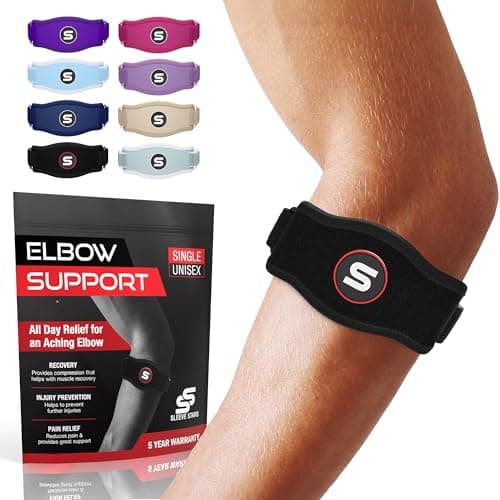
Sleeve Stars Sleeve Stars Tennis Elbow Brace
Sleeve Stars Tennis Elbow Brace

An adjustable forearm strap with a wide fit range — the version of this product that stays where you put it.

A strap that fits properly
8.3
$16.95Amazon
02
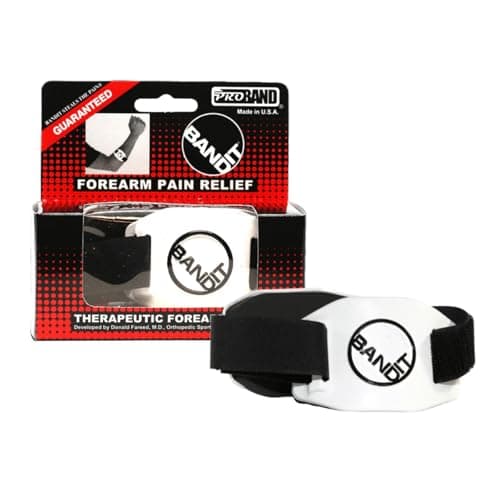
BandIT BandIT Therapeutic Arm Band
BandIT Therapeutic Arm Band

The expensive one, and the one people who have tried everything else keep coming back to — a shaped band rather than a flat strap.

When the cheap straps have not worked
7.5
$38.95Amazon
03
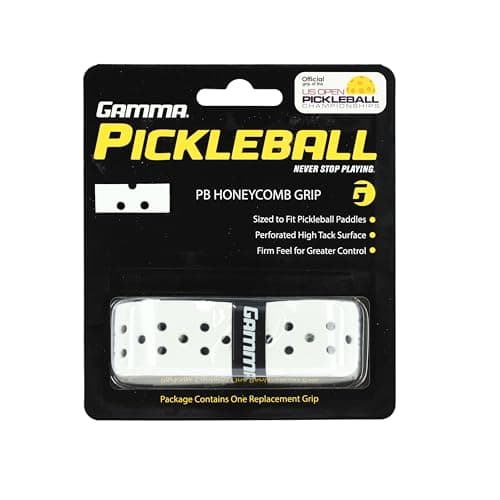
GAMMA GAMMA Honeycomb Cushion Grip
GAMMA Honeycomb Cushion Grip

A replacement grip, not an overgrip — what you want when the handle itself is too thin or the original has gone hard.

Replacing a worn handle
8.0
Check price →

#ad · Live prices from the Amazon Product API, as of October 24, 2026. Where we have no verified live price, we show none — we would rather leave a gap than print a number that has rotted.

02In detail

The picks, in full

01
Sleeve Stars Sleeve Stars Tennis Elbow Brace

A strap that fits properly

Sleeve Stars Tennis Elbow Brace

Forearm compression strapFits 9-23 in armsAdjustable pressure padSingle unit
8.3/10

An adjustable forearm strap with a wide fit range — the version of this product that stays where you put it.

Fit
9
Support
8
Comfort
8
Value
8

Pros

  • The 9-23 inch range genuinely fits both slim and large forearms
  • The pressure pad can be rotated to sit over the sore spot, not near it
  • Stays put through a session instead of creeping down the forearm

Cons

  • Sold singly, so two arms means two purchases
  • A strap is a symptom tool — it does not fix the technique causing the pain

Don't buy this if…

…your pain is constant or worsening. A brace manages load; persistent elbow pain needs a clinician, not a strap.

$16.95View on Amazon

Price as of October 24, 2026. Prices change — Amazon's is the one that counts.

#ad · we may earn a commission from this link to Sleeve Stars Tennis Elbow Brace

02
BandIT BandIT Therapeutic Arm Band

When the cheap straps have not worked

BandIT Therapeutic Arm Band

Anatomically shaped bandDynamic compressionRigid support archSingle unit
7.5/10

The expensive one, and the one people who have tried everything else keep coming back to — a shaped band rather than a flat strap.

Fit
8
Support
9
Comfort
7
Value
6

Pros

  • The shaped arch spreads pressure across the forearm instead of one narrow line
  • Holds its shape over years where soft straps go slack in a season
  • A long-established product with a track record across racquet sports

Cons

  • Three to four times the price of a basic strap
  • The rigid form is less comfortable under a long sleeve

Don't buy this if…

…you have never tried a strap. Start with a cheap one — if it helps, you have saved money; if it does not, you have learned something for very little.

$38.95View on Amazon

Price as of October 24, 2026. Prices change — Amazon's is the one that counts.

#ad · we may earn a commission from this link to BandIT Therapeutic Arm Band

03
GAMMA GAMMA Honeycomb Cushion Grip

Replacing a worn handle

GAMMA Honeycomb Cushion Grip

Replacement gripCushionedMoisture-wickingAdds handle size
8.0/10

A replacement grip, not an overgrip — what you want when the handle itself is too thin or the original has gone hard.

Tack
7
Durability
8
Comfort
9
Value
8

Pros

  • Replaces the original grip entirely, which is the fix when the factory wrap has died
  • Adds real thickness, so it genuinely helps if your handle measures too small
  • The cushioning is welcome for anyone with elbow or wrist sensitivity

Cons

  • Fiddlier to fit than an overgrip — you strip the old one off first
  • Adds size, which is the wrong direction if your grip is already too big

Don't buy this if…

…your handle already fits. An overgrip is cheaper, quicker, and doesn't change the size you measured.

Check price on Amazon →

No buyable offer at the last price check (October 24, 2026). We show nothing rather than a stale number.

#ad · we may earn a commission from this link to GAMMA Honeycomb Cushion Grip

03The buyer's guide

Why new players get it, specifically

Three things stack up in a beginner's first season. First, you hit far more balls per hour than in tennis, and almost entirely with the forearm and wrist rather than a full shoulder-driven swing. Second, new players grip hard — because the paddle feels unfamiliar, because a too-large handle has to be squeezed to control, or simply out of tension. Third, a thin, firm, cheap paddle transmits more of each impact into the hand than a thicker, softer one.

None of those three is about how athletic you are, which is why this shows up in fit people and in their first year. It also means it is largely fixable by changing equipment and technique rather than by playing less.

The four changes, in order of how much they help

1. Grip size — the one most people have wrong

A handle that is too big forces you to squeeze to keep control, and squeezing is what loads the tendon. When in doubt go smaller: you can always build a grip up with an overgrip, and you cannot shrink one. Measure yours properly with the grip size guide before you buy anything else on this page.

2. Paddle weight and core thickness

A lighter paddle asks less of the arm per swing, and a thicker core — 16mm and up — is softer and dampens more of the impact before it reaches your hand. Those two specs, not brand or face material, are what an arm-friendly paddle is made of. The full reasoning is in the weight guide and core thickness explained; the paddles that combine both are ranked in best paddles for tennis elbow.

3. Technique and what you hit

Two specifics worth naming. A late, wristy backhand loads the outside of the elbow far more than a shoulder-turned one, and how you hold the paddle is where that starts. And the ball matters at the margins: a softer approved outdoor ball transmits less shock than the hardest tournament balls, which is the entire reason we rank one of them for exactly this reader in best outdoor pickleballs.

4. Support — last, not first

A strap or band does not fix the cause. What it does is change where load lands while you fix the cause, and for a lot of players that is the difference between playing and not playing. Buy the cheap one first: if it helps you have saved money, and if it does not you have learned something for very little.

OptionPublished specWhat it is forHonest limit
Adjustable forearm strapFits 9-23 in arms, rotatable pressure pad, sold singlyThe default: pad over the sore spot, stays put through a sessionTwo arms means two purchases; manages symptoms only
Shaped therapeutic bandAnatomically shaped band with a rigid support arch, sold singlyWhen flat straps have not worked — spreads pressure across the forearmThree to four times the price; less comfortable under a sleeve
Cushioned replacement gripReplacement grip, cushioned, moisture-wicking, adds handle sizeA dead factory grip, or a handle that measures too thinAdds size — wrong direction if your grip is already too big

The full brace ranking, including two-packs and compression sleeves, is in best pickleball elbow braces.

When to stop reading gear pages

If the pain is constant rather than activity-related, if it is getting worse week over week, if your grip strength is noticeably reduced, or if it wakes you up — see a clinician. A strap is a load-management tool and it cannot diagnose anything. Playing through worsening tendon pain because a brace made today tolerable is the most common way a six-week problem becomes a six-month one.

What we are not claiming

We have not tested braces on an injured arm, we do not run a lab, and we have no clinical outcome data for any product on this page. Every spec above is the manufacturer's own published claim, and the description of the condition comes from the AAOS. The judgments — grip size before weight, weight before support — come from the mechanism, not from a trial.
How we picked

We do not run a testing lab

Everyone in this category says they tested twenty paddles. We haven't tested these in a lab, and we say so. Instead we compile the published manufacturer specs, do the math, weight everything toward what a beginner actually needs — forgiveness, a large sweet spot, sane weight and a fair price — and score each product against a published rubric. The scores are judgments from that research, not measurements we took. Where a fact came from someone else, we name it in Sources.

04Questions

Frequently asked

What is pickleball elbow?

It is the same condition as tennis elbow — lateral epicondylitis — pain on the outside of the elbow where the forearm tendons attach. Players get it from repeated forearm and wrist loading, which pickleball produces a lot of because you hit many balls per hour at close range.

Does a lighter paddle help with pickleball elbow?

It reduces how much work the arm does per swing, which is why we recommend lighter paddles with thicker, softer cores for sensitive arms. It is one of four variables though, and grip size is usually the bigger one. See best paddles for tennis elbow.

Should I wear an elbow brace to play pickleball?

A forearm strap can make playing tolerable while you fix grip size, paddle weight and technique. It manages symptoms rather than causes. Start with an inexpensive adjustable strap before spending on a shaped band.

Can the wrong grip size cause elbow pain?

A handle that is too large forces you to squeeze to keep control of the paddle, and that sustained squeezing loads the same tendons. When in doubt choose the smaller grip — an overgrip can always build it up. Measure with the grip size guide.

When should I see a doctor about elbow pain?

If it is constant rather than activity-related, getting worse, reducing your grip strength, or waking you at night. Nothing on this site is medical advice, and persistent tendon pain is worth a professional opinion rather than another brace.

06Read next
05Sources

Where our facts come from