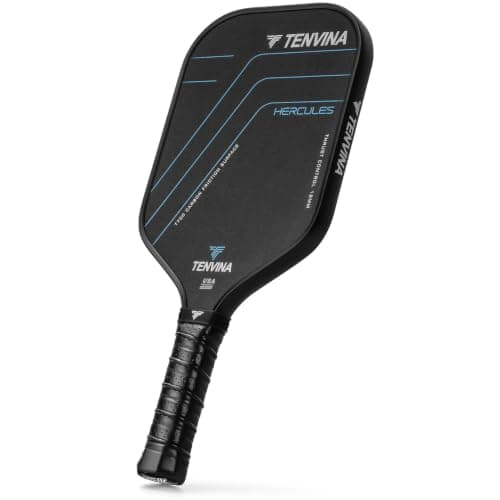
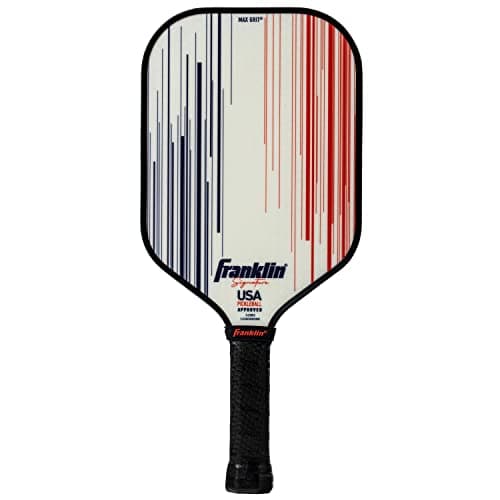
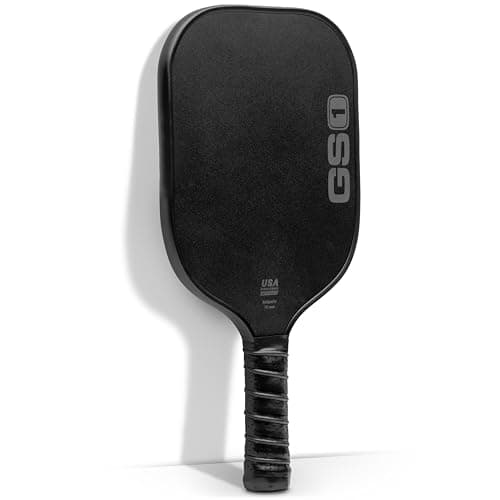
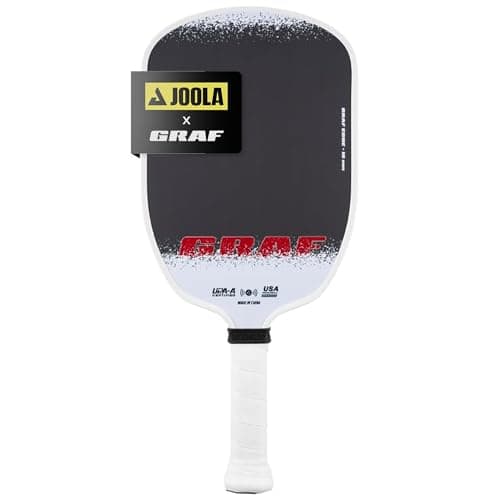
Under $50 is the most misunderstood price bracket in pickleball. There are genuinely good paddles here — the JOOLA GRAF Edgeis a real 16mm carbon paddle from a top-tier brand — and there is also a great deal of junk. The difference is not the price, it's whether the paddle is USA Pickleball approved and built by someone with a reputation to lose.
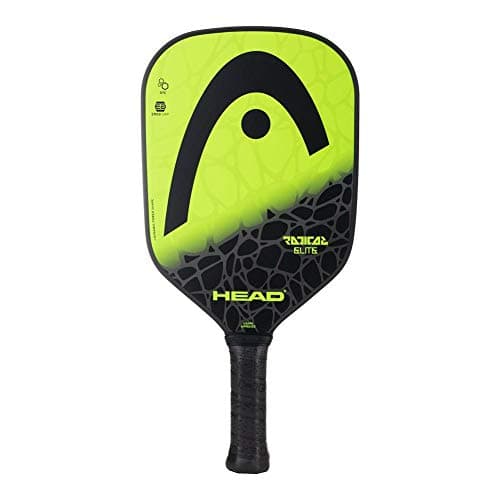
This page exists because "spend more" is not always honest advice. If you're buying your first paddle and you don't yet know whether the sport will stick, a $25 paddle that is legal, forgiving and safe is a completely reasonable purchase. If you already play twice a week, a $50 paddle will out-live and out-perform two $25 ones. We'll tell you which situation you're in. If you want that decision laid out tier by tier before you shop, start at how much you should spend on a paddle. If the choice has come down to this list's top pick against the beginner paddle we recommend most often, that is GRAF Edge vs Astral Perseus. Arriving from tennis instead? Our rank 2 here has its own write-up — HEAD Radical Elite review.
Every price on this page is pulled live from Amazon and stamped with the date. Budget paddles move in and out of stock and change price constantly, so if a number here has gone stale we remove it rather than show you a figure that isn't real.
03The buyer's guide
What you actually give up under $50
Cheap paddles are not cheap because manufacturers are being generous. Here is what the money buys, in order of how much it matters to a new player.
Edge guard and build quality
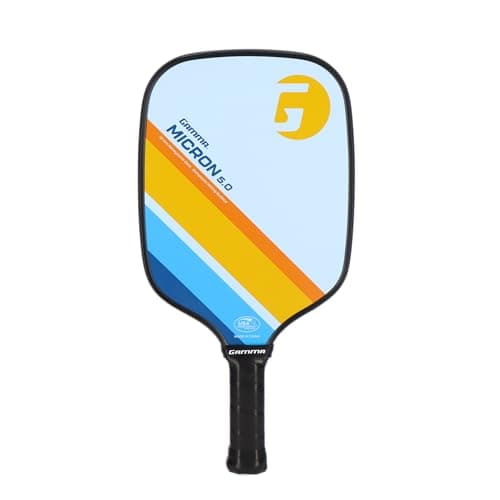
The cheapest paddles use thinner edge guards and simpler bonding between face and core. The practical result is that they delaminate — the face separates from the core — sooner, especially if you scrape the paddle on the court. This is the single most common way a budget paddle dies. The cheapest paddle on this list is also the one we have taken apart on paper in the most detail: our Gamma Micron 5.0 review covers what you get and what you give up at the very bottom of the market.
Grip quality
Budget paddles almost always ship with a hard, thin, slightly slick grip. This is genuinely the easiest thing to fix: a $8 overgriptransforms how a cheap paddle feels in the hand, and it's the first thing we'd spend money on after buying one.
Face consistency
More expensive paddles have a more uniform face, meaning the sweet spot behaves predictably across it. On budget paddles the response can vary more from center to edge. For a beginner learning where the middle is, this matters less than you'd think — but it's a real difference.
What you should never give up, at any price
One thing is non-negotiable: USA Pickleball approval. An approved paddle has been checked against the official equipment standards for surface roughness and construction. Every paddle on this page is approved. If you play in any organized session, league or tournament, an unapproved paddle can be ruled out — and unapproved paddles at this price are usually unapproved because they're badly made, not because the maker is a rebel. You can check any paddle yourself on the USA Pickleball approved equipment list.
When to spend more than $50 instead
Spend more if any of these are true:
- You already play weekly. A $60-80 paddle will last longer and feel better for hundreds of hours. The cost per session is lower even though the sticker is higher.
- You have elbow or wrist trouble. Better cores and grips absorb more vibration. This is a health question, not a performance one — see our weight guide.
- You want the paddle to last past this season. Budget paddles are consumables. Mid-range paddles are equipment.
The cheapest way to get two people playing
If you're buying for two, don't buy two single paddles — buy a set. A starter setbundles two paddles, balls and usually a bag for less than two paddles bought separately, and the paddle quality at this price point is comparable. It's the single best-value purchase in the sport for a household that's just getting started.
How we picked
Everyone in this category says they tested twenty paddles. We haven't tested these in a lab, and we say so. Instead we compile the published manufacturer specs, do the math, weight everything toward what a beginner actually needs — forgiveness, a large sweet spot, sane weight and a fair price — and score each product against a published rubric. The scores are judgments from that research, not measurements we took. Where a fact came from someone else, we name it in Sources.