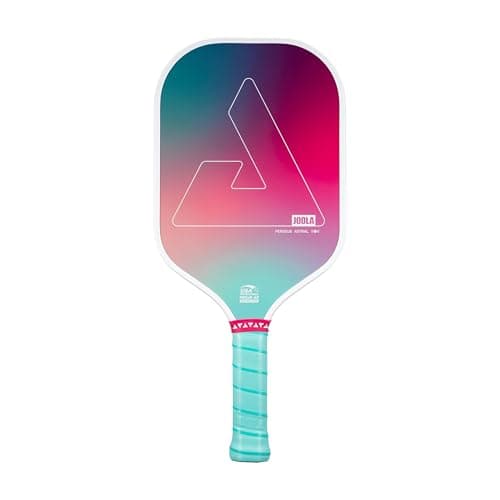
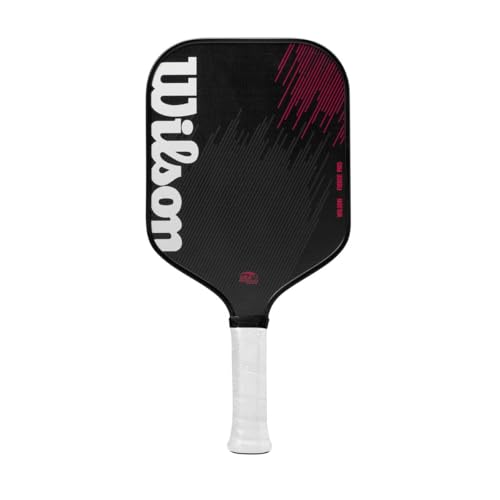
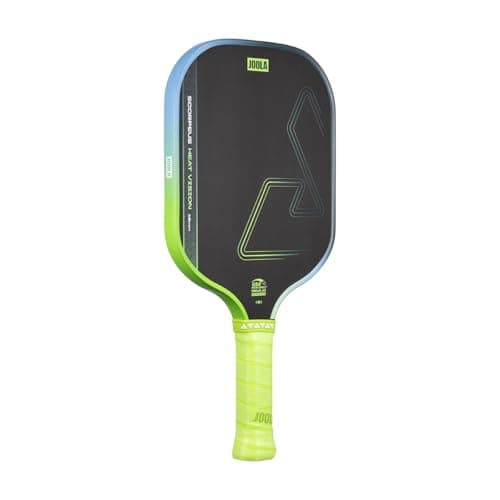
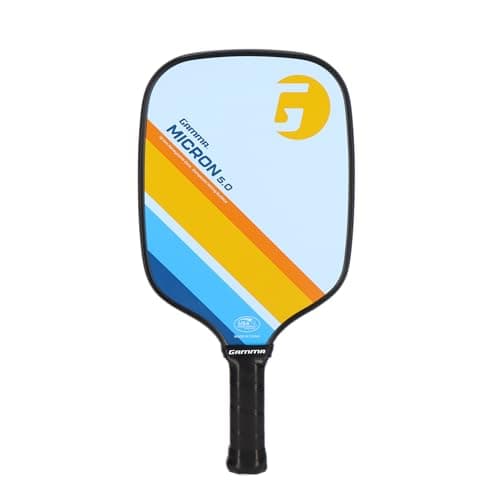
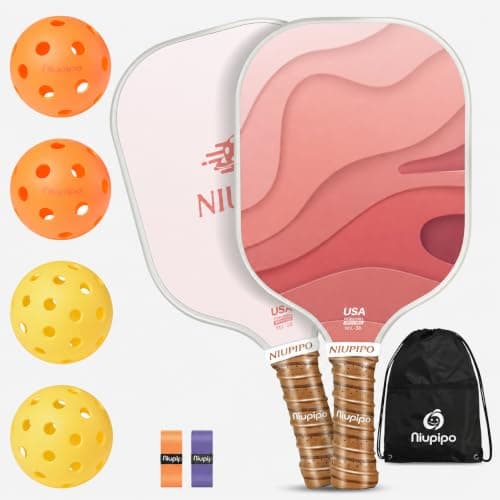
Buy the niupipo MX-38 if you want the lightest paddle on this site whose weight you can actually look up — 7.6 oz, published by niupipo itself — and it is the right paddle for a wrist, elbow or shoulder that tires before the game does. The budget pick is the Gamma Micron 5.0, the cheapest paddle here that prints a weight at all (7.9 oz). Live prices, and the date they were checked, are in the table below.
Here is the finding this page exists for. Of every paddle we recommend across this site, only five publish a weight anywhere we can cite. "Lightweight" appears in listing titles constantly — the niupipo Pro Graphite title ends with the words "Lightweight Pickleball Racket" and publishes no weight, no core thickness and no dimensions — and the word is not a number. Gamma goes one better: its listing calls the Micron 5.0 lightweight and then prints 7.9 oz, which is mid-weight by any normal reading of this category. So this page ranks the paddles that give you a figure, and says plainly where a figure does not exist.
The second thing worth knowing before you shop: the published spread is narrower than the marketing suggests. The lightest paddle here is 7.6 oz and the heaviest paddle we recommend anywhere — the Wilson Vesper Control 17 — is 8.1 oz. Half an ounce covers the whole field. If you want the mechanism behind why that half-ounce still matters, our paddle weight guide explains swing weight, and paddles for tennis elbow covers the arm-pain case specifically.
Who each pick is for, in one line:
- niupipo MX-38 (7.6 oz) — the lightest verifiable paddle here, for an arm that tires early; it arrives as a two-paddle set with balls and a bag.
- JOOLA Astral Perseus (7.8 oz) — for the buyer who wants light and a 12-month warranty from a brand that will still exist next season.
- Wilson Fierce Pro 13 (7.8 oz average, 7.6-8.0 range) — for bigger hands: the only paddle on this list published at a 4 1/4 in grip.
- JOOLA Scorpeus Heat Vision (7.8 oz) — for a light paddle that is also a modern thermoformed carbon one, if the budget stretches.
- Gamma Micron 5.0 (7.9 oz) — the budget pick, and the cheapest paddle on this site that publishes any weight at all.
Our standing disclosure: we have not weighed any of these paddles. We do not run a lab. Every figure below is published by a maker or a retailer we name in Sources, and the scores are judgments from that research against our published rubric, weighted for a beginner.
03The buyer's guide
Every published weight, side by side
One table, five paddles, and the column that matters first. Each figure is the one its maker or its retailer prints; where nobody prints one, the cell says so rather than guessing. Live prices with their check date sit in the Quick picks table above, and every row there carries its own price button.
| Paddle | Published weight | Core | Face | Grip circumference | Approval claim |
|---|
| niupipo MX-38 | 7.6-7.8 oz (niupipo's own page) | 9.8mm polypropylene honeycomb (USA Pickleball record) | Fiberglass, matte | Published inconsistently across listings | USA Pickleball record exists for the MX-38 |
| JOOLA Astral Perseus | 7.8 oz | Not published | Sandblasted carbon fiber | Not published (5.5 in handle) | "USA Pickleball Approved for tournament play" |
| Wilson Fierce Pro 13 | 7.8 oz average, 7.6-8.0 oz range | 13mm polypropylene honeycomb | Textured carbon fiber | 4 1/4 in (medium) | Not printed on the spec sheet |
| JOOLA Scorpeus Heat Vision 16 | 7.8 oz | 16mm honeycomb, thermoformed | Textured carbon fiber | Not published (5.25 in handle) | "USAP PBCoR.43 Certified" |
| Gamma Micron 5.0 | 7.9 oz | 12mm polypropylene | Composite | 4 1/8 in | No approval claim made |
Two rows deserve a second look. The Fierce Pro is the only paddle here that publishes a range as well as an average (7.6-8.0 oz), which is the honest way to print a figure for a hand-finished product — the paddle you receive is somewhere in that band, not exactly 7.8. And the Micron 5.0 makes no approval claim at all, which matters if you plan to play anywhere organized; see USA Pickleball approved paddles for what the certificate does and does not mean.
What a lighter paddle actually does for you
It moves your hands faster at the net
The soft game is played in front of you, in short strokes, with very little time. A lighter paddle changes direction more quickly, which is why hand-speed players favor them — you can reset a ball a heavier head would have arrived late to. If the kitchen is where you want to improve, our how to dink guide is the technique side of the same argument.
It asks less of the joint doing the work
Every swing is a small load on the wrist, elbow and shoulder, repeated a few hundred times a session. Reducing the mass at the end of the lever reduces that load. This is the single most common reason a player goes looking for a light paddle, and it is a good reason. It is also not a treatment: if you already have pain, read pickleball elbow and paddles for arthritic hands before you buy anything.
And what it costs you
Free pace. A lighter paddle gives the ball less to push against, so drives need more of your own arm behind them, and a hard incoming ball pushes the face around more easily. That is the trade in one sentence, and it is why we would not hand a lightweight paddle to someone whose main complaint is "my serve has no depth". Our control vs power page covers the other half of that choice, and the power list is where the heavier builds live.
Lighter than 7.6 oz: why we do not rank one
Paddles exist below 7.5 oz. We do not recommend one, for the same reason we do not recommend an unapproved paddle: at the bottom of this market the sub-7.5 oz listings we can find publish no core thickness, no dimensions and no approval record, and several are the same unbranded paddle under different seller names. A number we cannot source is not a feature. If you need less than 7.6 oz for a medical reason, the honest move is a youth paddle, which is built shorter and lighter on purpose, and a word with whoever is treating you.
Adding weight back, if you go too light
This cuts the other way too, and it is cheap. Lead or tungsten tape at the edge of the head adds mass where you want it, and a thicker overgrip adds a few grams at the handle, which shifts the balance toward your hand and makes the paddle feel lighter in the swing even though it weighs more on a scale. Starting light and adding is far easier than buying heavy and wishing. The weight guide has the whole method, including why handle weight and head weight feel completely different.