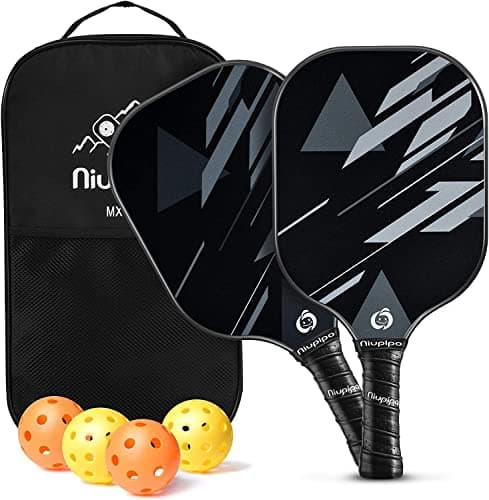
The honest floor is a two-paddle starter set — paddles, balls and a bag in one box, and the cheapest way to get two people playing the day it arrives. A setup you will not be replacing in six months is a decent single paddle, a tube of the right balls, court shoes and a bag, and that lands in the low hundreds. Every price on this page is live from Amazon and date-stamped, so the numbers below are today's, not a figure we typed once.
Pickleball is genuinely cheap to start and the equipment industry would rather you did not know that. The game needs a paddle and a ball. Courts are usually free or close to it, nets are already up at public courts, and nothing else on the list is required on day one. What follows is the order we would spend in, with the piece most people underspend on flagged — it is not the paddle.
One caveat on the numbers: prices move. The figures in the table come from the same live price feed as the buy buttons on this page, with an "as of" date above them. If a price has moved since, the feed has moved with it.
03The buyer's guide
What each piece costs, and what it buys
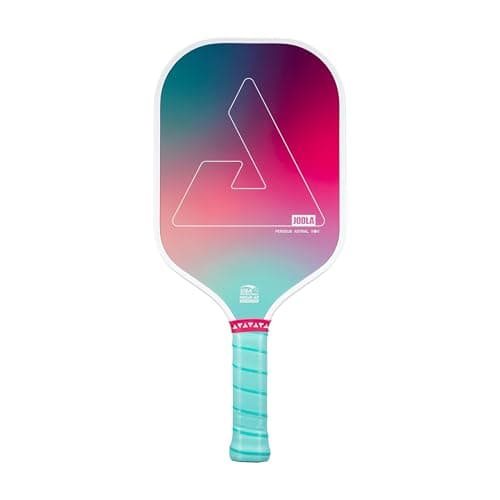
The paddle: $17 to $120
The whole useful range for a beginner sits under about $100, and our how much to spend on a paddle guide breaks the tiers down properly. Under $25 buys a working composite paddle that is fine to learn on. Around $50 buys a 16mm carbon-faced paddle you can keep. Over $100 buys power and spin features a beginner is deliberately not chasing. The single best-value decision in the sport is refusing to spend $200 on your first paddle.
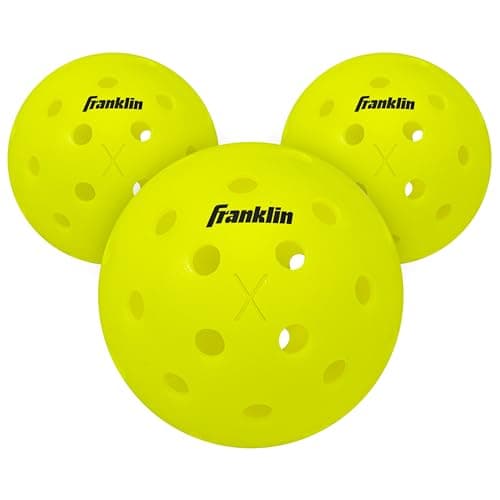
Balls: $9 to $22
Cheap, and the item most likely to be wrong rather than expensive. Outdoor and indoor balls are different products and buying the wrong one makes the game play worse — our indoor vs outdoor guide settles it in two minutes. Buy a twelve-pack rather than a three-pack if you play weekly; balls crack, especially in cold weather.
Shoes: $50 to $130 — the one people underspend on
This is the item worth more than the minimum. Running shoes are built to move you forward, and pickleball is a side-to-side game, so a running shoe on a court is both slower and the most common route to a rolled ankle. A real court shoe starts around $50. If you buy one thing properly on day one, buy this and not the paddle — see do you need pickleball shoes and court shoes under $100.
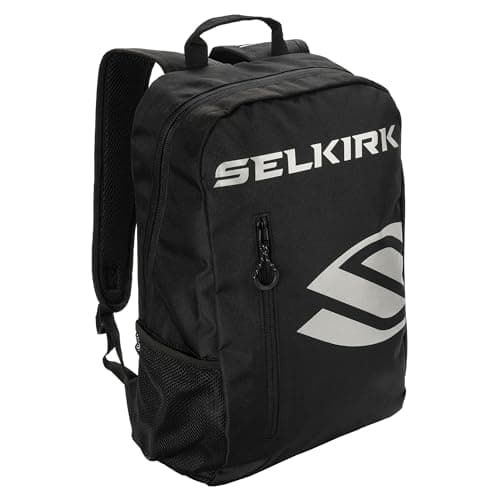
A bag: $20 to $130
Not needed on day one. Needed by about month three, when you are carrying two paddles, a tube of balls, a water bottle and damp socks. A $20 backpack genuinely works; the money above that buys vented shoe compartments, better straps and build. Our bag guide covers the types.
A net: $60 to $180 — only if you have nowhere to play
Public courts have nets. Buy one only if your plan is a driveway or a backyard. A full 22-foot regulation system is around $180; a compact practice net is around $60 and does a different job. That decision is a page of its own: what size net do you need.
Everything else: $8 to $25
An overgrip is under $10 and the cheapest meaningful upgrade to a paddle you already own. Eye protection starts around $12 and is sensible once you are playing at the kitchen line. An elbow strap is about $15 if your forearm complains. None of it is day-one spending.
Three budgets
| Setup | What you buy | Roughly |
|---|
| The floor | A two-paddle starter set (paddles, balls, bag in the box) and the shoes you own | Under $40 |
| The sensible setup | One good beginner paddle, the right balls, a real court shoe, a cheap backpack | $150-$200 |
| A home court | The sensible setup plus a full-size 22 ft net system | $330-$400 |
Those bands are arithmetic on the live prices of the items we recommend, not a survey of the market. The exact numbers in the quick picks table above are the authoritative ones.
Where not to spend yet
A ball machine. Ours start at around $220 and the serious ones pass $1,500. A machine drills a stroke you already have; at the start, the same money buys a good paddle and some coaching. Our ball machine roundup is honest about who they are for, and a rebounder or a wall covers the cheap version of the same practice.
A premium paddle. A $120 elongated power paddle in a new hand is harder to use than a $50 one. Buy it as your second paddle, when you know what you want from it — paddles for beginners moving to intermediate is the page for that.
A tournament bag. Six paddle slots, a laptop sleeve and $130. Lovely, and not for someone who owns one paddle. Premium bags explains exactly what the money buys so you can decide later.