PPost & Paddle
04Gear

How to choose a pickleball bag

Three bag types, one honest size recommendation, and a short list of features that are worth money. Everything else on a bag listing is decoration.

By Stephen V.Editor, Post & PaddleUpdated

Heads up: Post & Paddle is reader-funded. If you buy through our links we may earn a commission, at no extra cost to you. It never changes which product we recommend. How this works.

A pickleball bag is the least urgent purchase in the sport and the one with the most confusing product range. The good news is that the decision collapses to three questions: how far do you carry it, how much do you carry, and do your shoes come off wet. Answer those and the right bag picks itself.

Everything else — the compartment count, the branded zip pulls, the "pro tour" naming — is decoration. Below is the decision in order, plus one pick per bag type so you can see what each style costs.

01The short answer

Quick picks

#ProductBest forScorePrice
01
Franklin Sports Franklin Sling Bag
Franklin Sling Bag

The cheap, grab-and-go answer: a single-strap sling that holds paddles, balls and a water bottle.

Best budget carry
7.3
$28.99Amazon
02
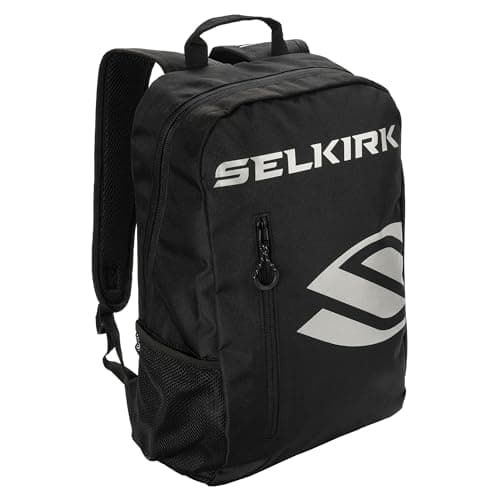
Selkirk Selkirk Day Backpack
Selkirk Day Backpack

A premium-brand backpack at a sensible price — organized, comfortable, and built to last a few seasons.

Best all-round backpack
8.3
$48.98Amazon
03
JOOLA JOOLA Tour Elite Pro Bag
JOOLA Tour Elite Pro Bag

The do-everything tour bag: backpack and duffle in one, with fleece-lined paddle protection.

The player who carries everything
8.3
$139.99Amazon

#ad · Live prices from the Amazon Product API, as of Sep 8, 2026. Where we have no verified live price, we show none — we would rather leave a gap than print a number that has rotted.

02In detail

The picks, in full

01
Franklin Sports Franklin Sling Bag

Best budget carry

Franklin Sling Bag

Sling strapHolds 2+ paddlesBall + bottle pocketsLightweight
7.3/10

The cheap, grab-and-go answer: a single-strap sling that holds paddles, balls and a water bottle.

Capacity
6
Build
7
Comfort
7
Value
9

Pros

  • About as cheap as a purpose-made pickleball bag gets
  • Sling design is quick to swing on and off between games
  • Enough room for the essentials without being bulky

Cons

  • A single strap gets uncomfortable if you load it heavy
  • No dedicated shoe or valuables compartment

Don't buy this if…

you carry a full kit — shoes, extra paddles, layers. A two-strap backpack spreads that load far better.

$28.99View on Amazon

$37.9924% off

Price as of Sep 8, 2026. Prices change — Amazon's is the one that counts.

#ad · we may earn a commission from this link to Franklin Sling Bag

02
Selkirk Selkirk Day Backpack

Best all-round backpack

Selkirk Day Backpack

Backpack strapsHolds 2 paddlesVented shoe/pocketSelkirk build
8.3/10

A premium-brand backpack at a sensible price — organized, comfortable, and built to last a few seasons.

Capacity
8
Build
9
Comfort
8
Value
8

Pros

  • Proper two-strap comfort for carrying a full kit any distance
  • Thoughtful pockets, including a vented compartment for damp shoes
  • Selkirk's build quality is a clear step above generic bags

Cons

  • Costs more than a basic sling
  • Mid-size — dedicated players with lots of gear may want the larger tour bags

Don't buy this if…

you only ever carry one paddle and a sleeve of balls. That's a sling's job — this is more bag than you need.

$48.98View on Amazon

Price as of Sep 8, 2026. Prices change — Amazon's is the one that counts.

#ad · we may earn a commission from this link to Selkirk Day Backpack

03
JOOLA JOOLA Tour Elite Pro Bag

The player who carries everything

JOOLA Tour Elite Pro Bag

Backpack + duffleFleece-lined paddle pocketInsulated pocketLarge capacity
8.3/10

The do-everything tour bag: backpack and duffle in one, with fleece-lined paddle protection.

Capacity
10
Build
9
Comfort
8
Value
6

Pros

  • Carries as a backpack or a duffle depending on the day
  • Fleece-lined pocket actually protects paddle faces from scratches
  • Insulated pocket keeps a drink cold through a long session

Cons

  • The most expensive bag here
  • Overkill for anyone with a single paddle

Don't buy this if…

you're a casual player. This is a serious kit-hauler; a sling or mid-size backpack is plenty for a couple of paddles.

$139.99View on Amazon

Price as of Sep 8, 2026. Prices change — Amazon's is the one that counts.

#ad · we may earn a commission from this link to JOOLA Tour Elite Pro Bag

03The buyer's guide

Step 1: pick the type

TypeBest whenGives up
Sling (one strap)You carry a paddle, balls and a bottle, and the walk is shortComfort under load; no shoe compartment
Backpack (two straps)You carry shoes and a layer too, and the walk is realA little speed on and off; slightly more bulk
Duffle / tour bagAll-day open play, spare paddles, food, gear for a partnerComfort on long carries; costs the most

Most recreational players are backpack people and get there within a few months of starting. If you are buying your first bag and genuinely do not know, buy the backpack — it is the option you are least likely to replace. Our best pickleball backpacks list ranks that category specifically.

Step 2: size it honestly

Roughly twenty liters is right for most players. That is enough for two paddles, a tube of balls, a pair of court shoes, a water bottle, a layer and the small stuff, and it is small enough that you are not carrying an empty volume around every session.

The two ways people get this wrong are predictable. Buying too small means you leave shoes in the car and then play in the shoes you drove in, which is exactly the habit proper court shoes exist to break. Buying too big means a large bag containing three items and a lot of air. If you are between sizes and play more than once a week, go up; otherwise go down.

Step 3: the features actually worth money

  • A vented shoe compartment. The single best feature on any pickleball bag. Damp court shoes sharing space with a towel makes the whole bag unpleasant within a week.
  • Dedicated paddle storage. Ideally lined. Paddle faces rely on surface texture for spin and that texture is abraded by keys, zips and grit far faster than by play.
  • Two bottle pockets. One for you, one for whoever forgot theirs. Trivially cheap to build, consistently useful.
  • Padded, contoured straps. A loaded bag on a thin strap is a shoulder complaint waiting to happen.
  • A small zipped valuables pocket. Keys and a phone should not be loose in the main compartment with a paddle face.

Features that are mostly marketing

Insulated pockets are pleasant and rarely decisive. Compartment counts above about five stop helping and start making things hard to find. "Pro" and "tour" in a bag name mean nothing measurable. And a bag advertised as holding six paddles is telling you about a capacity you will never use — most players own one paddle and a spare.

What about just using a backpack you own?

Completely reasonable, and if the budget is tight this is where to save. A regular backpack carries a paddle fine. Add a cheap paddle cover to solve the face-abrasion problem and a plastic bag for damp shoes, and you have replicated most of what a pickleball bag does for almost nothing. The paddle, the shoes and the balls all matter more — see what you need to start playing for the honest priority order.

Step 4: fill it sensibly

A bag's job is to make you turn up prepared, not to become storage. Once you have one, our packing checklist sorts gear into always, seasonal and occasional, which keeps the weight down and stops the bag filling with things you have not used since spring.

Three bags, three answers

The picks above are one per type rather than a ranking: the Franklin Sling for grab-and-go, the Selkirk Day Backpack for the middle that suits most people, and the JOOLA Tour Elite Pro for the player who carries everything. The full field, including options at each price, is in best pickleball bags.

How we picked

We do not run a testing lab

Everyone in this category says they tested twenty paddles. We haven't tested these in a lab, and we say so. Instead we compile the published manufacturer specs, do the math, weight everything toward what a beginner actually needs — forgiveness, a large sweet spot, sane weight and a fair price — and score each product against a published rubric. The scores are judgments from that research, not measurements we took. Where a fact came from someone else, we name it in Sources.
04Questions

Frequently asked

What size pickleball bag do I need?

Around 20 liters suits most recreational players — two paddles, balls, shoes, a bottle and a layer. Go larger only if you play often or carry gear for a partner.

Sling, backpack or duffle for pickleball?

Sling if you carry a paddle and balls a short distance. Backpack if you also carry shoes and a layer, which most players do within a few months. Duffle or tour bag for all-day play with spares.

What features are worth paying for in a pickleball bag?

A vented shoe compartment first, then lined paddle storage, two bottle pockets, padded straps and a small zipped valuables pocket. Compartment counts, insulated pockets and "pro" naming are not decisive.

Can I just use a normal backpack?

Yes. Add a cheap paddle cover to protect the face and a bag for damp shoes and you have most of what a pickleball bag offers. Spend the saving on shoes or a better paddle instead.

06Read next
05Sources

Where our facts come from