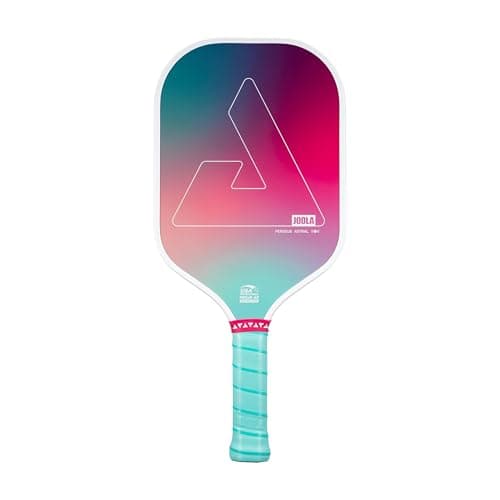
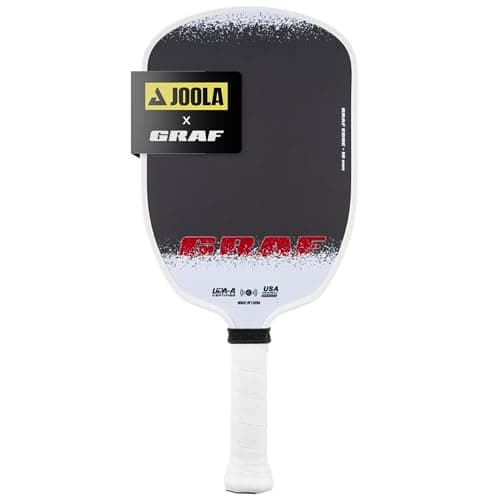
Buy the JOOLA GRAF Edge 16mm — a published 16.5 x 7.5 in elongated head, a 16mm core and a textured carbon face, for a player who wants reach without giving up the soft game. It is also the cheapest genuinely elongated paddle on this list, so the top pick and the budget pick are the same paddle, and we would rather say that than invent a worse cheap option. The one caveat: it ships in a 4 1/8 in small grip, so if you have big hands buy the Agassi Edge instead — identical paddle, 4 1/4 in grip. Live prices and the date they were checked are in the table below.
"Elongated" is a shape claim, and a shape claim is two numbers: length and width. A standard paddle is about 16 x 8 in. An elongated one trades width for length — typically 16.5 x 7.5 in — which moves mass away from your hand and buys you reach, at the cost of a narrower sweet spot. Everything on this page publishes those two numbers, except where we say it does not.
That matters more than it sounds, because the word gets attached to paddles that are not elongated at all. We corrected our own Wilson Vesper Control review on exactly this point: it printed "elongated" for a paddle its retailer publishes at 16 x 7.75 in, which is close to a widebody. Our elongated vs widebody guide is the mechanism behind this list.
Who each pick is for, in one line:
- JOOLA GRAF Edge 16mm — the default elongated paddle: reach plus a 16mm control core, at the lowest price a top-tier brand charges for one.
- JOOLA Agassi Edge 16mm — the same paddle for a bigger hand, published at a 4 1/4 in medium grip.
- JOOLA Astral Perseus — for a beginner who wants the elongated shape with a 12-month warranty and a 5.5 in handle behind it.
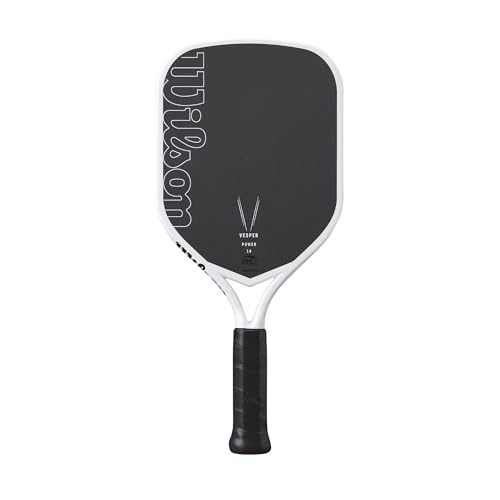
- Wilson Vesper Power 14 — for drives and a two-handed backhand: elongated, edgeless, 14mm, with a 5.25 in handle.
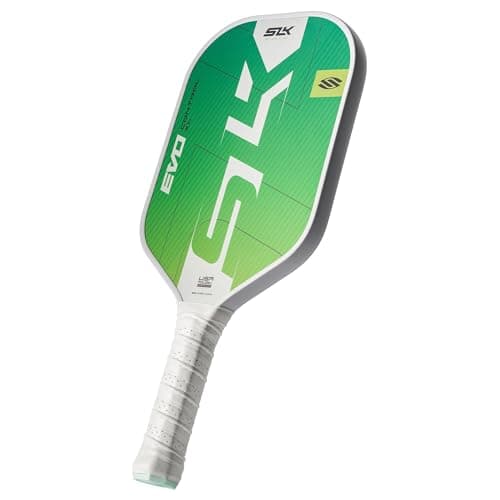
- Selkirk SLK Evo Control XL — the hybrid-length option at 16.4 x 7.4 in, with the longest published handle here (5.75 in).
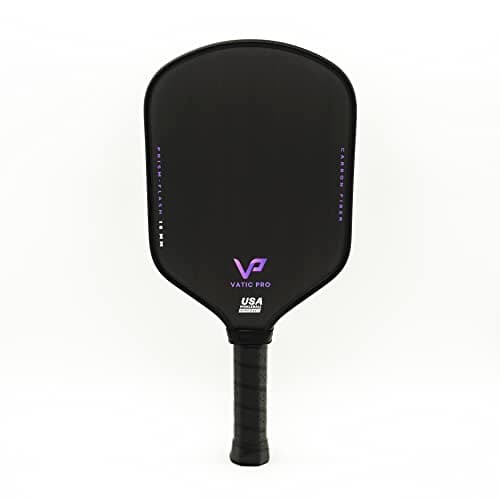
- Vatic Pro Prism Flash — for a thermoformed elongated paddle under $100, accepting that Vatic publishes the shape but not the dimensions.
Our standing disclosure: we have not measured any of these paddles. Every dimension below is published by a maker or a retailer named in Sources, and the scores are judgments from that research against our published rubric, weighted for a beginner.
03The buyer's guide
Published dimensions, ranked longest face first
This is the table that decides the page. Live prices with their check date are in the Quick picks table above, and each row there has its own price button.
| Paddle | Length x width | Shape, as published | Handle | Grip circumference | Core |
|---|
| JOOLA GRAF Edge 16mm | 16.5 x 7.5 in | Elongated | Not published | 4 1/8 in (small) | 16mm polypropylene |
| JOOLA Agassi Edge 16mm | 16.5 x 7.5 in | Elongated | Not published | 4 1/4 in (medium) | 16mm polypropylene |
| JOOLA Astral Perseus | 16.5 x 7.5 in | Elongated (listing prints the dimensions) | 5.5 in | Not published | Not published |
| Wilson Vesper Power 14 | 16.5 x 7.5 in | "Elongated edgeless" | 5.25 in | 4 1/8 in (small) | 14mm polypropylene, 360CellX |
| Selkirk SLK Evo Control XL | 16.4 x 7.4 in | Hybrid length | 5.75 in | 4 1/4 in | 16mm Rev-Control polymer |
| Vatic Pro Prism Flash | Not published | Elongated (brand claim) | Not published | Not published | 16mm foam-injected, thermoformed |
Four of these paddles are the same footprint — 16.5 x 7.5 in — and they feel nothing like each other, because the core and the handle do the rest. Same shape, 16mm versus 14mm core, 5.25 in versus 5.5 in handle, small versus medium grip: those are the rows that decide which one is yours. The Selkirk is the odd one out at 16.4 x 7.4 in, which its maker calls a hybrid rather than an elongated paddle, and we have ranked and labeled it as one.
What the extra half-inch actually buys
Reach, at the net and on the run
Half an inch of paddle plus the handle you hold it by is a real difference on a ball dropping just past the kitchen line, and on a wide dig. Players who came from tennis notice it immediately, because it is the geometry they are used to — see paddles for tennis players.
Leverage, which reads as power
Moving mass further from your hand raises swing weight, so the same arm speed produces a faster ball. That is why elongated paddles cluster at the power end of every catalogue, and why three of the six here also appear on our power list. The mechanism is in the weight guide.
And what it costs: the sweet spot narrows
Width is where forgiveness lives. Taking the face from 8 in to 7.5 in narrows the band of the paddle that behaves well, and the tip of an elongated head is the least forgiving part of any paddle. If you are still finding the middle, buy width instead: our best beginner paddles and best control paddles lists both lead with wide, forgiving faces.
Handle length: the spec people buy an elongated paddle for without knowing it
If you hit a two-handed backhand, your bottom hand needs somewhere to go. 5 in is tight, 5.25 in works, and the 5.75 in on the Selkirk XL is the most room any paddle on this site publishes. A longer handle also shortens the face for the same total length, so you trade hitting area for hand room — which is exactly what a hybrid shape is. Our grip size guide has the ruler test for circumference, which is a different measurement and the one most people get wrong.
Is an elongated paddle legal?
Yes, within limits. USA Pickleball caps combined length plus width at 24 in with a maximum length of 17 in, so a 16.5 x 7.5 in paddle (24.0 in combined) sits right at the edge of the rule and every paddle here is inside it. If you play anywhere organized, check the model on the approved list before a tournament rather than trusting a listing title — the approval claims on these five paddles vary from a certification number to nothing at all.
How we picked
Everyone in this category says they tested twenty paddles. We haven't tested these in a lab, and we say so. Instead we compile the published manufacturer specs, do the math, weight everything toward what a beginner actually needs — forgiveness, a large sweet spot, sane weight and a fair price — and score each product against a published rubric. The scores are judgments from that research, not measurements we took. Where a fact came from someone else, we name it in Sources.