PPost & Paddle
02Shoes

K-Swiss Express Light vs Skechers Viper Court Pro

Two pickleball-specific court shoes at a similar price, built around opposite priorities: one is a support platform, the other is a cushion. The right answer depends on your knees and how hard you cut.

By Stephen V.Editor, Post & PaddleUpdated

Heads up: Post & Paddle is reader-funded. If you buy through our links we may earn a commission, at no extra cost to you. It never changes which product we recommend. How this works.

Buy the K-Swiss Express Light if you want the more supportive shoe, and the Skechers Viper Court Pro 2.0 if you want the more comfortable one. That is the whole decision in a sentence, and it is not a cop-out: these two shoes are near-identical in purpose and genuinely opposite in priority. The K-Swiss is a lower, firmer platform built around lateral support. The Skechers is a cushioned shoe built around being comfortable from the first wear.

If you are still unsure, the tie-breaker is your knees and session length. Play hard for forty-five minutes and want the most precise platform under a cut: K-Swiss. Play three times a week, or arrive with knees that already have opinions: Skechers. Both are real court shoes, which already puts them in a different safety category from the running shoes most new players turn up in — the reason why is in do you need pickleball shoes.

The honest third option is the K-Swiss Ultrashot Light, which is the same brand's tennis court platform at a lower price. It is the pick if neither of the two above fits your budget and you still want genuine lateral support.

01The short answer

Quick picks

#ProductBest forScorePrice
01
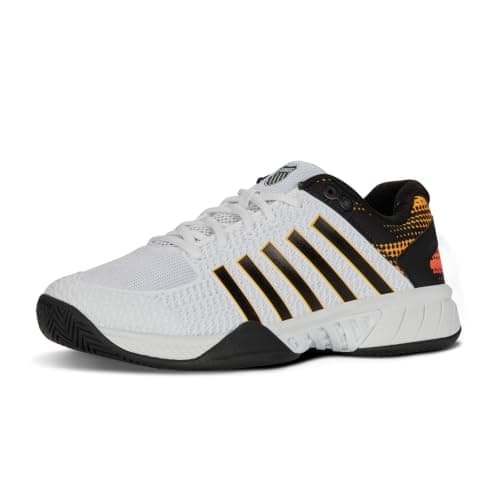
K-Swiss K-Swiss Express Light Pickleball
K-Swiss Express Light Pickleball

A purpose-built pickleball shoe from a court-shoe specialist — lateral support where running shoes have none.

The best all-round pickleball shoe
7.8
$79.94Amazon
02
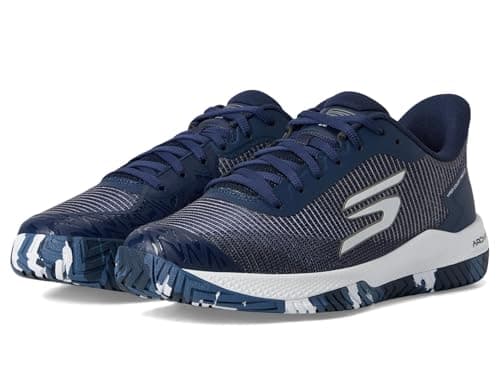
Skechers Skechers Viper Court Pro 2.0
Skechers Viper Court Pro 2.0

The comfort pick: a proper court shoe with Skechers' famously cushioned, out-of-the-box-comfortable feel.

Comfort and all-day wear
7.8
$99.99Amazon
03
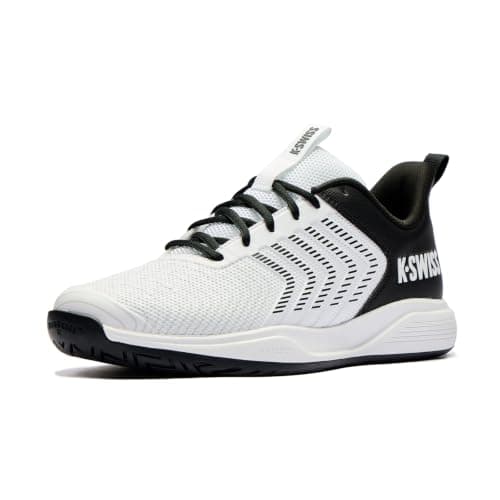
K-Swiss K-Swiss Ultrashot Light (Men's)
K-Swiss Ultrashot Light (Men's)

A proper court shoe from a brand that has made them for decades, sitting under the $100 line most pickleball-branded shoes clear easily.

The best real court shoe under $100
8.2
$72.25Amazon

#ad · Live prices from the Amazon Product API, as of October 23, 2026. Where we have no verified live price, we show none — we would rather leave a gap than print a number that has rotted.

02In detail

The picks, in full

01
K-Swiss K-Swiss Express Light Pickleball

The best all-round pickleball shoe

K-Swiss Express Light Pickleball

Court outsoleLateral support cageNon-marking solePickleball-specific
7.8/10

A purpose-built pickleball shoe from a court-shoe specialist — lateral support where running shoes have none.

Grip
8
Stability
9
Cushioning
7
Durability
8
Value
7

Pros

  • Built for the side-to-side movement pickleball demands — the exact thing running shoes fail at
  • Non-marking outsole is welcome (often required) on indoor gym courts
  • K-Swiss has made court shoes for decades; the durable toe drag guard shows it

Cons

  • Firmer and less plush than a cushioned running shoe on your first wear
  • Styling is functional, not fashionable

Don't buy this if…

…you only ever play a casual game once a month on a soft surface. Any decent court or tennis shoe you own will do — this is for people playing enough to need real lateral support.

$79.94View on Amazon

$110.0027% off

Price as of October 23, 2026. Prices change — Amazon's is the one that counts.

#ad · we may earn a commission from this link to K-Swiss Express Light Pickleball

02
Skechers Skechers Viper Court Pro 2.0

Comfort and all-day wear

Skechers Viper Court Pro 2.0

Court outsoleCushioned midsoleNon-marking soleRoomy fit
7.8/10

The comfort pick: a proper court shoe with Skechers' famously cushioned, out-of-the-box-comfortable feel.

Grip
8
Stability
7
Cushioning
9
Durability
7
Value
8

Pros

  • Genuinely comfortable from the first wear — little to no break-in
  • Cushioning is kind to older knees and longer sessions
  • Popular with the pickleball crowd specifically, so sizing feedback is plentiful

Cons

  • The softer, higher-stack feel is a touch less stable in a hard cut than a low, firm court shoe
  • Runs roomy — size feedback matters before you buy

Don't buy this if…

…you're a fast, aggressive player who wants the lowest, most locked-down platform for hard direction changes. A firmer, lower shoe will feel more precise.

$99.99View on Amazon

$120.0017% off

Price as of October 23, 2026. Prices change — Amazon's is the one that counts.

#ad · we may earn a commission from this link to Skechers Viper Court Pro 2.0

03
K-Swiss K-Swiss Ultrashot Light (Men's)

The best real court shoe under $100

K-Swiss Ultrashot Light (Men's)

Court outsoleLateral support upperNon-marking soleLightweight build
8.2/10

A proper court shoe from a brand that has made them for decades, sitting under the $100 line most pickleball-branded shoes clear easily.

Grip
8
Stability
9
Durability
8
Comfort
7
Value
9

Pros

  • Built on K-Swiss's tennis court platform, so the lateral support is genuine rather than marketing
  • Light for a support-focused shoe — it does not feel like a brace on your foot
  • Non-marking outsole works indoors and out, which a gum sole does not

Cons

  • Less forefoot cushioning than the heavier flagship court shoes
  • Court shoes run narrow; wide-footed players often need the next half size

Don't buy this if…

…your feet are wide or you want maximum cushioning. A roomier, more padded pickleball-specific shoe will suit you better even at a higher price.

$72.25View on Amazon

$85.0015% off

Price as of October 23, 2026. Prices change — Amazon's is the one that counts.

#ad · we may earn a commission from this link to K-Swiss Ultrashot Light (Men's)

03The buyer's guide

What each listing actually claims

The table below separates two different kinds of information, deliberately. The listing claims are what the maker publishes. The scores are our own judgments from the published rubric on how we evaluate gear — they are not measurements, and we do not run a shoe lab.

K-Swiss Express LightSkechers Viper Court Pro 2.0K-Swiss Ultrashot Light
Built forPickleball specificallyPickleball specificallyTennis court platform
Listing claimsCourt outsole, lateral support cage, non-marking, toe drag guardCourt outsole, cushioned midsole, non-marking, roomy fitCourt outsole, lateral support upper, non-marking, lightweight
Our stability score9 / 107 / 109 / 10
Our cushioning score7 / 109 / 107 / 10
Our durability score8 / 107 / 108 / 10
Fit noteFirm; court lasts run narrowRuns roomy — check size feedbackNarrow; wide feet often need a half size up
Indoor and outdoorNon-marking, works bothNon-marking, works bothNon-marking, works both

The real difference: stack height and what it costs you

A court shoe keeps you safe by sitting low. The more foam between your foot and the ground, the more your ankle can roll over the top of it when you plant to change direction — that is the whole reason running shoes are the wrong tool for pickleball. So a softer, higher-cushioned court shoe is making a trade, and it is worth naming rather than hiding.

The Skechers makes that trade in exchange for something genuinely valuable: comfort you feel on the first wear and cushioning that is kind to knees over a long session. It is still a court shoe with a court outsole and a non-marking sole — it is not a running shoe with a pickleball badge. The K-Swiss makes the opposite trade: firmer underfoot for a platform that feels more precise in a hard cut, at the cost of a less plush first hour.

Neither trade is wrong. What is wrong is buying the firm one because it scores better on stability and then not wearing it because your feet hurt. The shoe you actually put on is the safe shoe.

Sizing is the thing that decides most orders

More returns in this category come down to fit than to performance. Two specifics:

  • Court lasts run narrower than running shoes, deliberately, because lockdown is what stops your foot sliding inside the shoe during a lateral cut. Do not size up out of running-shoe habit — you will lose the lockdown you paid for.
  • The Skechers runs roomy. That is in its own listing and it is the single most useful fact on this page for anyone ordering online. A roomy shoe suits a wider foot; it is less ideal if you want a locked-down fit.

If you already know your feet are wide, neither of these is necessarily your shoe — best pickleball shoes for wide feet handles that case directly. The whole fit decision, including drop and outsole pattern, is in how to choose pickleball shoes.

Durability, and where each one wears out

Outdoor concrete and asphalt eat outsoles. Both of these use non-marking court rubber rather than a soft indoor gum compound, which is the right choice if you play on both surfaces — a gum sole grips a gym floor beautifully and sands away outdoors. That is the distinction we unpack in indoor vs outdoor pickleball shoes.

Between the two, we score the K-Swiss slightly higher on durability, and the reason is structural rather than mysterious: a firmer, lower shoe with a toe drag guard has less soft material to compress and fewer places to crease. A cushioned midsole is the part of any shoe that softens first. How long either should last you is in how long pickleball shoes last.

Who should buy neither

If you play once a month on a soft surface, any decent court or tennis shoe you already own will do, and we would rather tell you that than sell you a shoe. If you want maximum cushioning above all else, there are plusher options in most comfortable pickleball shoes. If budget is the constraint, the sub-$100 field is ranked in best pickleball shoes under $100, and if you want the full picture across every shoe we cover, start at best pickleball shoes.
How we picked

We do not run a testing lab

Everyone in this category says they tested twenty paddles. We haven't tested these in a lab, and we say so. Instead we compile the published manufacturer specs, do the math, weight everything toward what a beginner actually needs — forgiveness, a large sweet spot, sane weight and a fair price — and score each product against a published rubric. The scores are judgments from that research, not measurements we took. Where a fact came from someone else, we name it in Sources.

04Questions

Frequently asked

Which is better, K-Swiss Express Light or Skechers Viper Court Pro?

Neither is universally better. The K-Swiss is the more supportive, lower, firmer platform and we rank it first overall; the Skechers is the more cushioned and comfortable shoe from the first wear. Choose support if you cut hard, cushioning if you play long sessions or your knees are the limiting factor.

Do Skechers Viper Court Pro shoes run big?

The listing itself describes a roomy fit, and that matches the general feedback. If you prefer a locked-down court fit, that roominess works against you; if your foot is wider, it works for you. Court shoes generally run narrower than running shoes, so do not size up out of habit.

Are both of these shoes okay for indoor and outdoor courts?

Yes. Both use non-marking court outsoles rather than soft indoor gum, which is the right compromise for a player who uses a gym some weeks and outdoor courts others. A gum sole grips indoors better and wears out fast on concrete — see indoor vs outdoor.

Is a cushioned court shoe less stable?

All else equal, more foam between your foot and the ground gives your ankle more to roll over, which is why court shoes sit lower than running shoes. A cushioned court shoe is still vastly more stable than a running shoe; it is simply making a comfort trade within the court-shoe category.

Is there a cheaper alternative to both?

The K-Swiss Ultrashot Light is the same brand's tennis court platform at a lower price and keeps the lateral support. It has less forefoot cushioning and runs narrow. The whole sub-$100 field is in best pickleball shoes under $100.

06Read next
05Sources

Where our facts come from