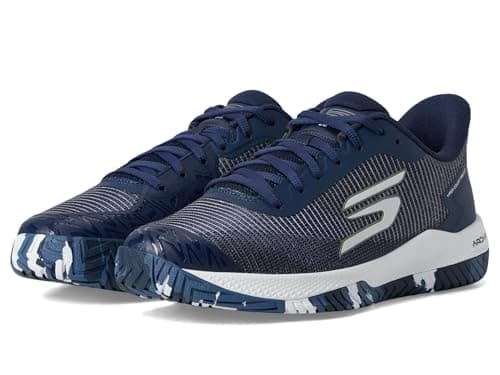
Skechers arrived in pickleball with an obvious advantage: the brand's entire reputation is comfort, and a huge share of new pickleball players are adults whose feet already have opinions. The Viper Court Pro 2.0 is that reputation applied to a genuine court shoe rather than a walking shoe with a court sticker on it.
The result is a shoe that is comfortable on the first wear, forgiving of a wider foot, and slightly less precise than a locked-down performance court shoe. Whether that trade is right for you depends almost entirely on how hard you cut.
03The buyer's guide
What the cushioning actually fixes
Two specific complaints. The first is impact: pickleball is played on unforgiving surfaces, and the repeated small landings add up over a session in a way a single game does not reveal. A cushioned midsole absorbs some of that before your joints do.
The second is break-in. Many court shoes need a session or two before the upper stops pressing on your instep, and for a lot of players that period is where a shoe gets returned. This one is designed to skip it. That matters more than it sounds — a comfortable shoe you actually wear beats a technically superior shoe sitting in a closet.
What it costs you
Stability, at the margin. Cushioning means a taller stack, and a taller stack means the foot sits further from the ground and has more leverage to roll on a hard sideways push. The Viper Court is a court shoe and behaves like one — this is not a running shoe — but a low, firm performance shoe will feel more precise in an aggressive cut. If you play fast singles or you are a hard, sharp mover, that difference is real and you would be happier in something firmer. Our best pickleball shoes list covers the firmer options.
The fit runs roomy
Consistent with the brand. This is good news for wide feet and worth checking if yours are narrow — a roomy shoe with a narrow foot in it slides, and sliding inside a shoe is how blisters and lost lockdown happen. If you are between sizes and your foot is on the narrow side, size down and lace it properly rather than sizing up for comfort.
Because the model has a large pickleball following, size feedback on it is unusually plentiful — more than for most court shoes. That is a genuine practical advantage when buying online.
Indoor, outdoor or both?
The outsole is a court compound rather than a soft indoor gum, so it handles outdoor hard courts better than an indoor volleyball shoe would, and it is still fine on a gym floor. If you split your play between both, that flexibility is worth something. If you play exclusively indoors on wood, a gum-soled shoe grips better — see best indoor court shoes.
Who should buy it
- Anyone whose current problem is that their feet or knees hurt after playing.
- Wide feet that have been pinched by narrow court lasts.
- Players who want a shoe that works on day one with no break-in.
- Longer, slower doubles sessions rather than sharp, fast singles.
Who should not
Fast, aggressive players who want the lowest, most locked-down platform available. Also anyone with a narrow foot who cannot get lockdown in a roomy shoe. In both cases a firmer, lower court shoe is the better tool, even though it will feel less pleasant standing in the kitchen at home.
What we did not test
We have not worn these, measured the stack height, or tested how the midsole holds up over a season. The assessment above is read from published specifications and from how cushioned court platforms generally behave, with the inferences flagged as inferences. Our methodology explains the approach.
The verdict
The right answer for a large share of recreational pickleball players, and specifically for the ones whose limiting factor is comfort rather than speed. It is not the most precise court shoe available and does not need to be. If your sessions currently end early because your feet have had enough, this is the category of shoe that fixes it — and our most comfortable pickleball shoes list has the rest of the field.