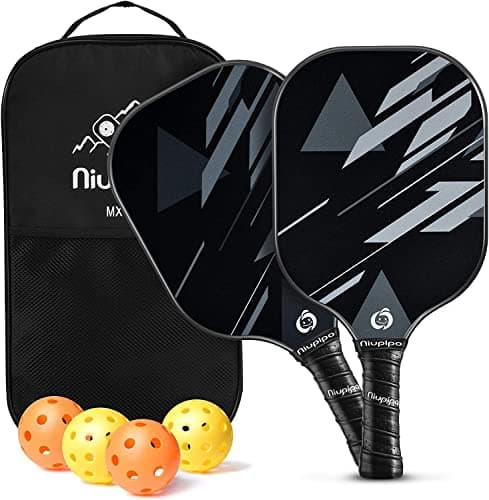
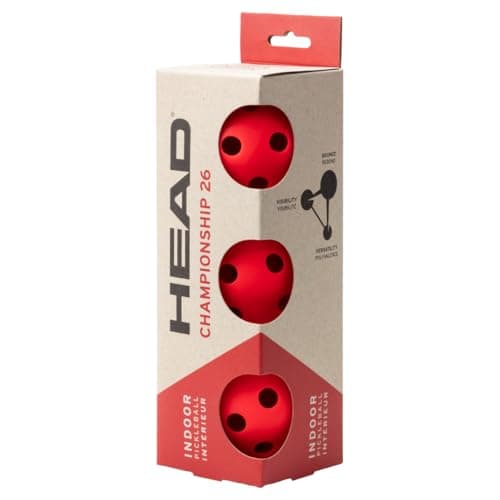
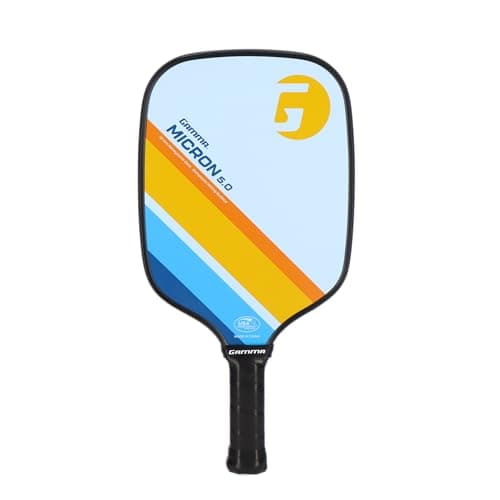
For one child, buy the Gamma Micron 5.0 — the lightest and cheapest paddle we rank, which is exactly the right combination for a kid. For a child who has nobody to play with, buy the two-paddle starter set instead: it comes with its own second player, and having someone to play with does more to keep a beginner playing than any piece of equipment. Both are under thirty-five dollars.
The specification that matters for a child is weight, and it matters more than it does for an adult. A paddle a kid has to haul around with two hands produces a swing they will have to unlearn, and a tired wrist stops a session early. Everything else — face material, core thickness, spin — is a question for a player who has a stroke, and a child does not have one yet. Our best paddles for kids roundup ranks the field on exactly that basis.
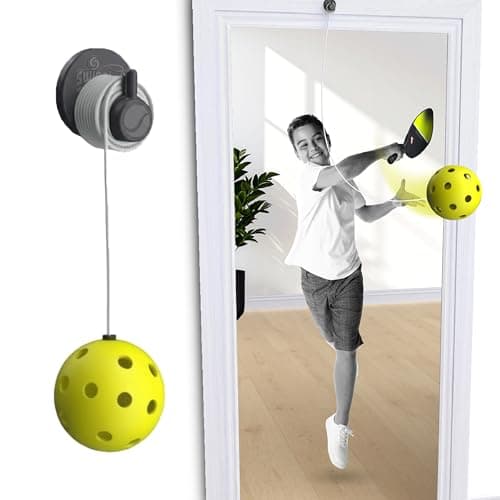
The second thing worth knowing is that solo practice is what keeps a child in the sport between games, and it is cheap. A wall is free. A suction wall trainer is about twenty dollars. A small rebounder is about sixty. None of it requires a court, a partner or a lift.
Every pick below is a product we already cover elsewhere on the site, on the same research, with the cards re-written for you as a buyer: who it suits, why it lands, when not to give it and what to check first. Prices are live from Amazon and date-stamped.
03The buyer's guide
How to choose, in the order that matters
1. Weight, and nothing else, on the paddle
A lightweight paddle with a cushion grip is the right buy for almost any child, and it is also the cheap end of the market, which is a rare and convenient alignment. Our weight guide covers the bands, and the honest summary for a kid is: as light as you can find from a brand that exists. Do not buy a 16mm carbon paddle for a nine-year-old because it is what the reviews rank highly — it is heavier and tuned for a stroke they have not developed.
2. Do they have someone to play with?
If not, the two-paddle set is the better gift than one better paddle. Two paddles is an invitation: it means a parent, a sibling or a neighbour can be roped in without owning anything. Our starter set or buy separately guide works through that decision properly, and best starter sets ranks the boxes.
3. Eye protection: check the frame size, not the strap
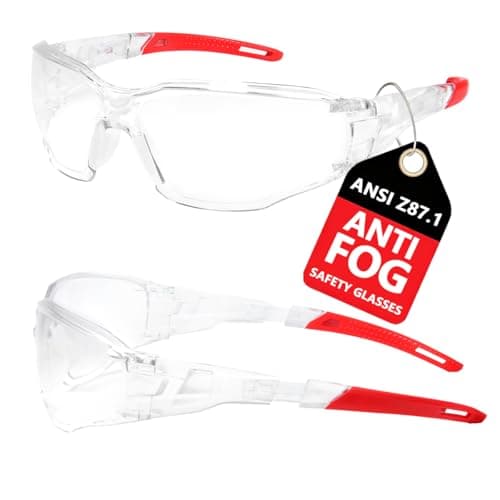
Pickleball is played at the net at close range and eye injuries are the real risk in this sport, so eyewear is not fussiness. The practical problem with buying it for a child is that almost all of it is sized for adults, and an adjustable strap does not fix a frame that is too wide for the face. Look for a small frame size and an ANSI Z87 rating, which is the genuine impact standard rather than a marketing word. Our eye protection roundup explains what the rating means.
4. Something to hit against, for between games
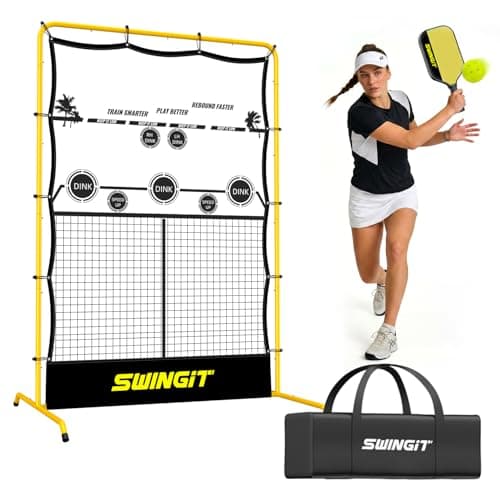
This is the gift that quietly does the most. A child who can practise without arranging anything practises more. The cheapest version is a wall, which costs nothing — our rebounder vs a wall page is deliberately honest that a wall is often enough. A suction wall trainer with a tethered ball is about twenty dollars and works in a garage. A 4 by 6 foot rebounder is about sixty and fits a short driveway. All three are covered in our training aids roundup.
Gifts by budget
| Budget | Best gift | Why |
|---|
| Under $15 | Indoor balls, or junior eye protection | Both get used, neither needs a size. |
| Under $25 | A light paddle, or a suction wall trainer | A paddle they can swing, or practice that needs no partner. |
| Under $40 | A two-paddle starter set | Paddles, balls and a bag — plus a second player. |
| Under $70 | A 4 x 6 ft rebounder | Angled practice in a garage or a short driveway. |
What not to buy a child
A premium paddle. Heavier, tuned for an adult stroke, and four times the price of the right answer. Best paddles for kids explains why light and cheap is not a compromise here.
A ball machine. Hundreds to thousands of dollars, and it drills a stroke a beginner does not have yet. A rebounder or a wall is the version of this that fits a child.
Court shoes, unless you know the size. Kids' feet change fast, and a shoe is the one gift that fails outright on fit. If they are playing seriously enough to need them, a gift card and a trip to a shop is the better present.
A big bag. A child carries one paddle and two balls. A tournament bag is a lovely gift for somebody six months and three paddles further on.
Make it easy to return
Amazon lets you send a gift receipt at checkout. A recipient who returns a gift is refunded as Amazon gift card credit, and there is no direct swap: they return it and place a new order, which is exactly what happens with a wrong shoe size. Most items can normally be returned within 30 days of delivery. For the 2025 holiday season Amazon extended that, so most items bought between November 1 and December 31 could be returned until January 31, 2026. Amazon had not published a 2026 version when we checked in September 2026, so confirm the window on the order page before you rely on it.