Start with a wall and a bucket of balls. It costs nothing, and the two most valuable solo drills in pickleball — serves to a target and dinks against a flat surface — need nothing else. If you want to buy one thing, buy a rebounder: it is the only tool here that sends the ball back at you at a chosen angle, which is what turns hitting into practicing. A portable target is the cheap add-on that makes every other drill measurable.
A ball machine is a different category of purchase and a different stage of player. It drills a stroke you already own, which is why it comes last on this page and not first.
The honest framing: solo practice builds three things — a repeatable serve, soft hands, and feet that move before the paddle does. It cannot build the fourth, which is reading a real opponent. An hour alone is worth roughly an hour of games for technique and nothing at all for decision-making, so treat it as a supplement rather than a substitute.
03The buyer's guide
The 45-minute solo session, in order
Do it in this sequence. Each block builds on the last, and the order is deliberate: you want your hands warm before you ask them for touch, and your legs fresh before you ask them for footwork.
1. Serves to a target — 10 minutes
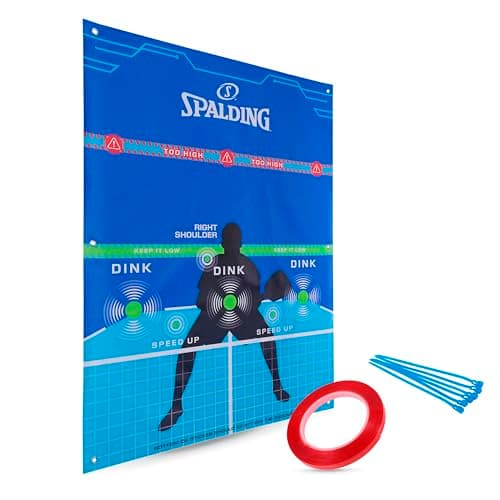
The serve is the only shot in pickleball nobody can rush you on, and it is the shot most beginners practice least. Put a target in the deep corner of the service box and hit twenty-five serves to it, then twenty-five to the other corner. Count them out loud. The rules that govern what is legal are in pickleball serving rules — practicing a serve that will be called a fault is worse than not practicing.
2. Wall dinks — 10 minutes
Stand about 7 ft from a flat wall and dink into it continuously, aiming to keep the ball below an imaginary line at net height. This is the single most transferable solo drill in the sport, because a wall is unforgivingly consistent and your own errors come straight back at you. Technique first in how to dink.
3. Resets and volleys — 10 minutes
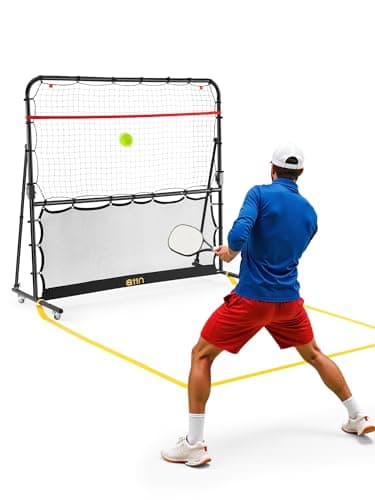
Move closer, hit harder, and practice taking pace off the ball rather than returning it. This is the drill a rebounder beats a wall at, because you can set an angle that sends the ball back at chest height rather than into your feet.
4. Footwork and shadow swings — 10 minutes
No ball. Split-step, move to four marked spots, swing, recover. Unglamorous and the most neglected block on the list. Spot markers make it a drill instead of a wander — drills for beginners has more structure for this, and how to warm up covers the five minutes before any of it.
Wall, rebounder, target or machine?
| Tool | What it is genuinely good at | What it cannot do | Published spec worth knowing |
|---|
| A wall | Dinks, volleys, unlimited reps, free | Any ball that is not flat and fast back at you | n/a — needs a smooth surface and tolerant neighbors |
| Rebounder | Dinks high and soft or volleys flat and fast, from one frame | Vary pace like a person; the return is predictable | 4 rebound angles, 360-degree wheels, marked kitchen zone and target line |
| Portable target | Making every other drill measurable | Returning the ball; it is a reference point | Flat and light enough to live in the bag |
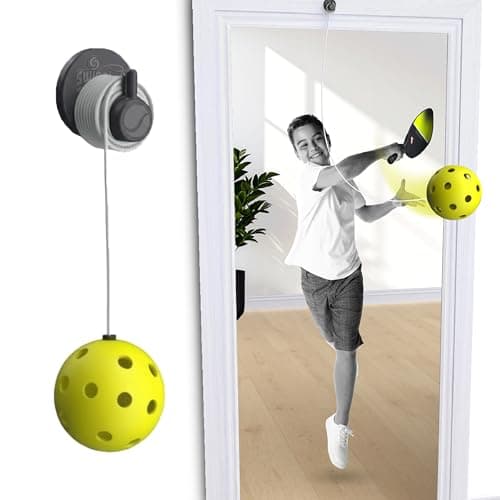
| Wall trainer (tethered) | A hundred swings in a garage for very little money | Realistic flight — a tether arcs, a pickleball does not | Suction mount, real ball and a paddle in the box, ages 6+ |
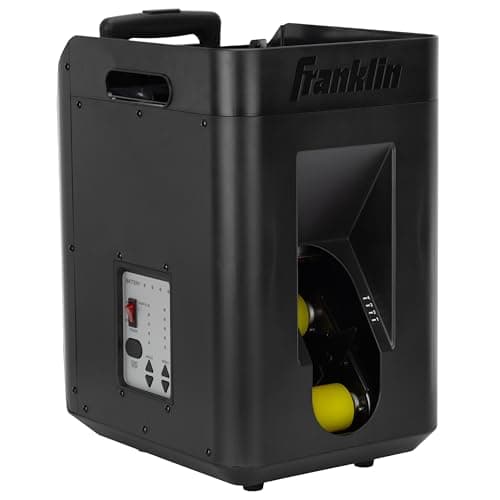
| Ball machine | Repetition on a stroke you already have: drives, dinks, lobs | Cost nothing, or teach you where to put the ball | 5 speeds, 4 launch angles, shuffle mode; battery sold separately |
The order to spend money in
Buy a tube of balls first. Solo practice is rate-limited by how often you walk to pick balls up, and a dozen balls changes a session more than any equipment on this page — how many pickleballs you need does the math. Then a target, because it is the cheapest thing that makes a drill scoreable. Then a rebounder, which is the first real purchase and the one that replaces a practice partner for dinks and resets — we compare that choice against a free wall in rebounder vs wall, and rank the whole category in best pickleball training aids.
A machine last, and only when a specific stroke is the thing holding you back. A machine is the most expensive item in this niche and the easiest to buy too early: it will feed you five hundred identical balls, which builds a groove, and a groove is only valuable once your swing is worth grooving. Entry-level machines are ranked in best pickleball ball machines, and the honest hidden cost on the cheapest ones is a battery sold separately.
What solo practice will not fix
Shot selection. A wall never lobs you, a rebounder never poaches, and a machine never stands where you were about to hit. If you practice alone for a month and your results do not move, it is usually not technique — it is that nobody has made you choose under pressure. The fix is open play, and the mistakes worth knowing about first are in common beginner mistakes.